
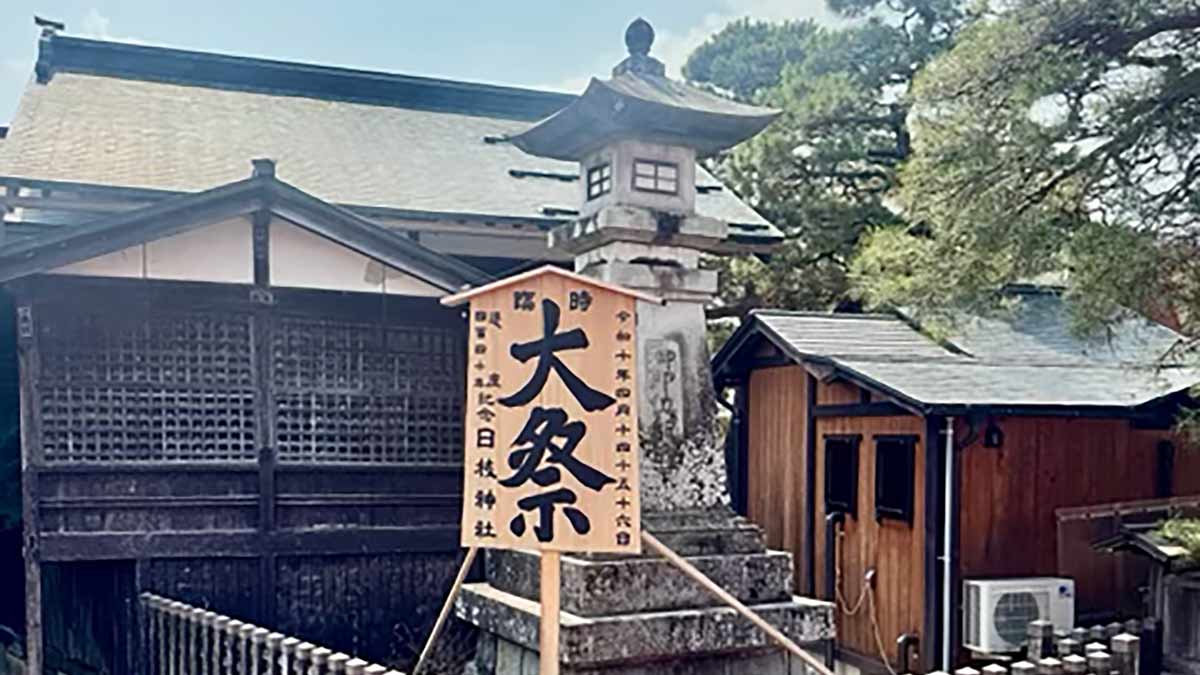
Arrived yesterday in Takayama after surviving what can only be described as a high-stakes, nine-minute train-switching Olympic event.
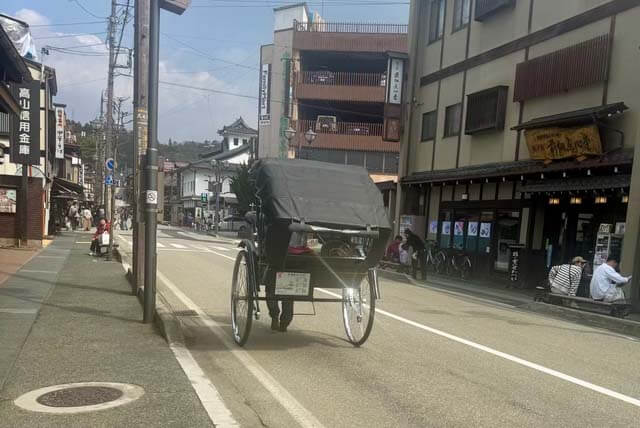
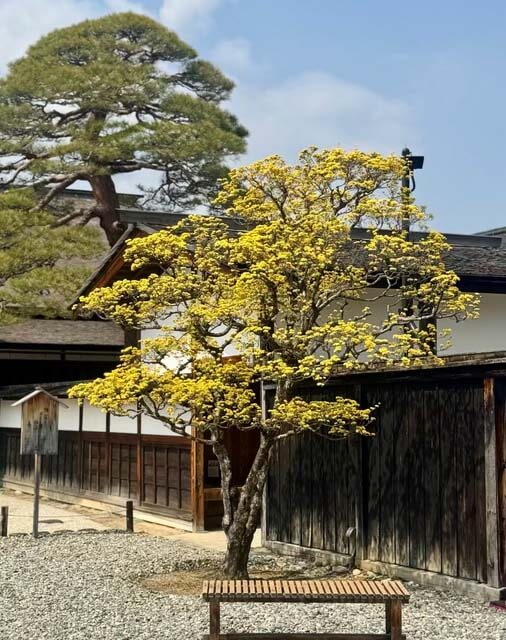
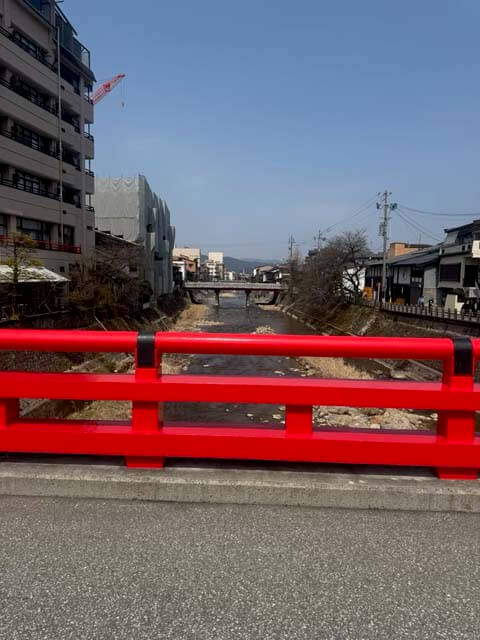
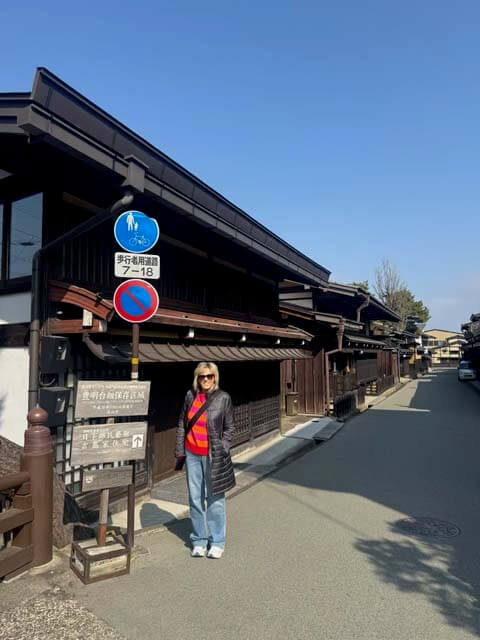
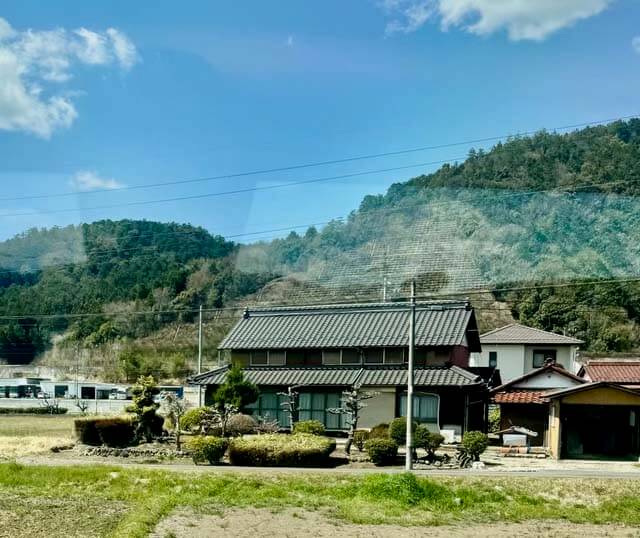
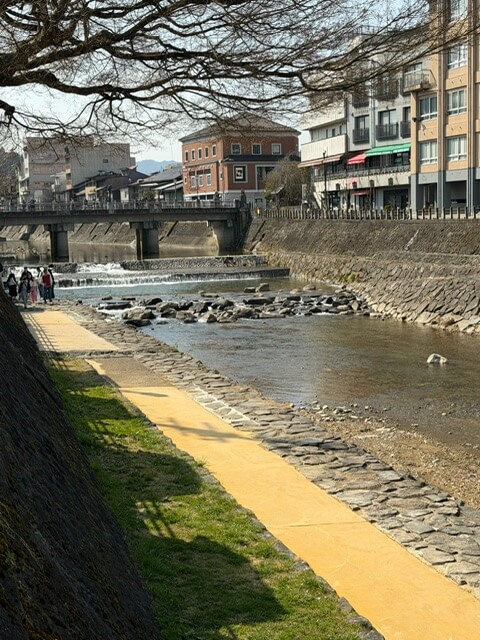
Takayama is a charming little village of about 82,000 people… casually spread across 800 square miles like someone forgot to cluster the population. It’s tucked into the Japanese Alps with the Miyagawa River running right through town.
The main industries here are agriculture and furniture-making—which explains why everything looks fresh and handcrafted.
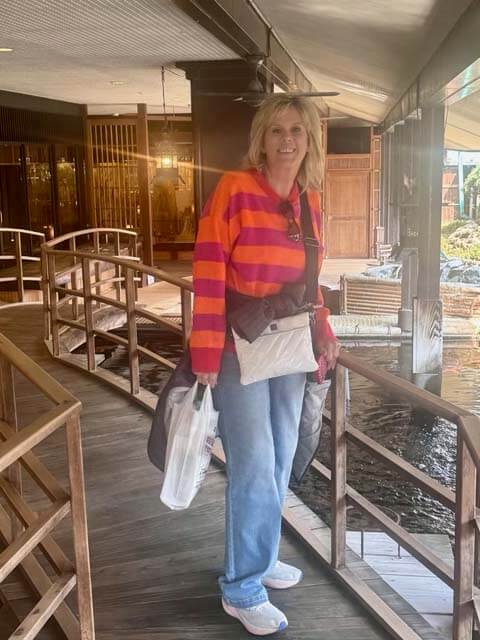
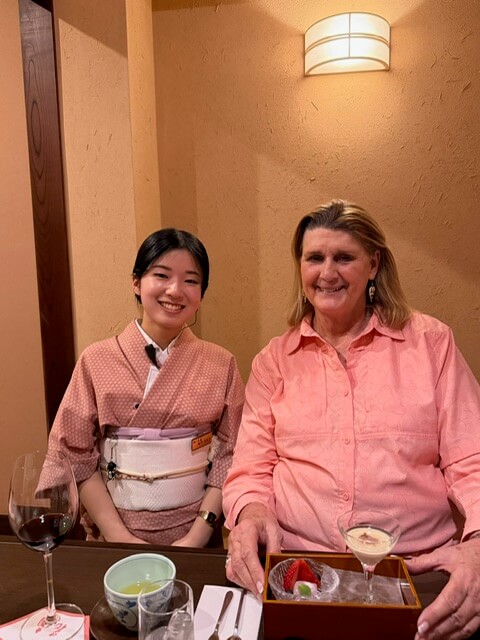
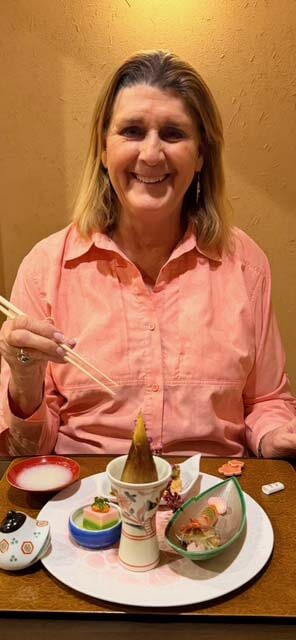
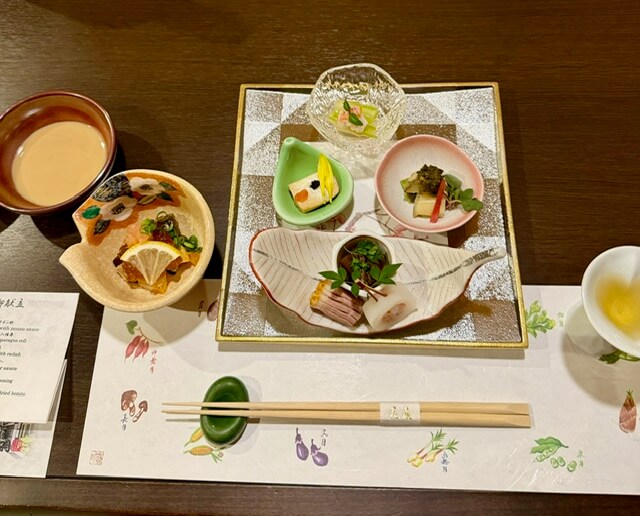
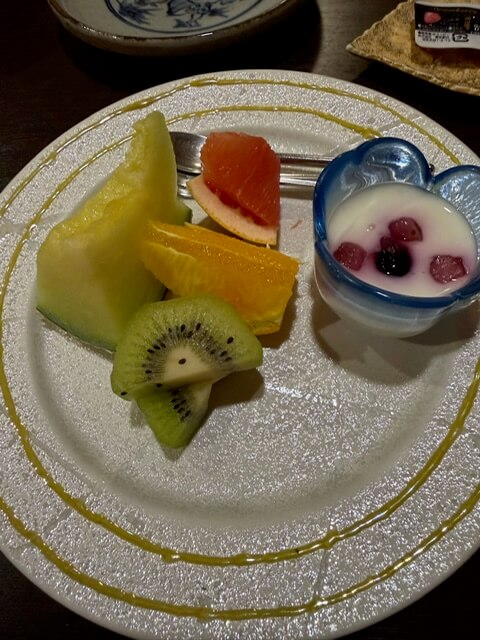
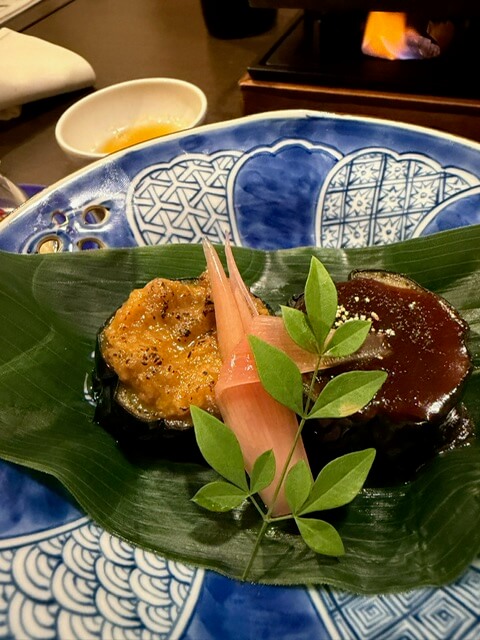
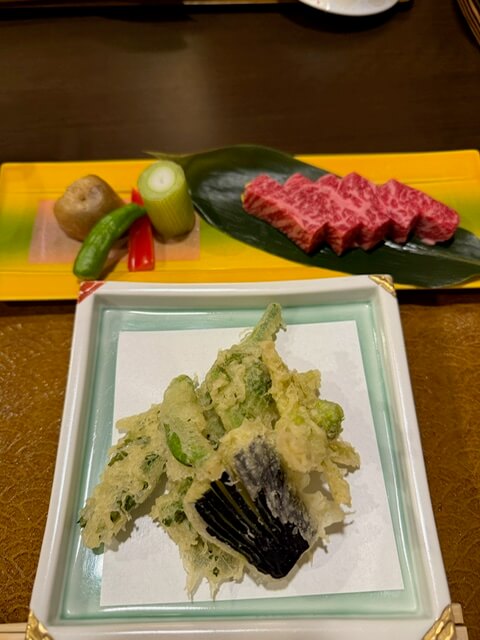
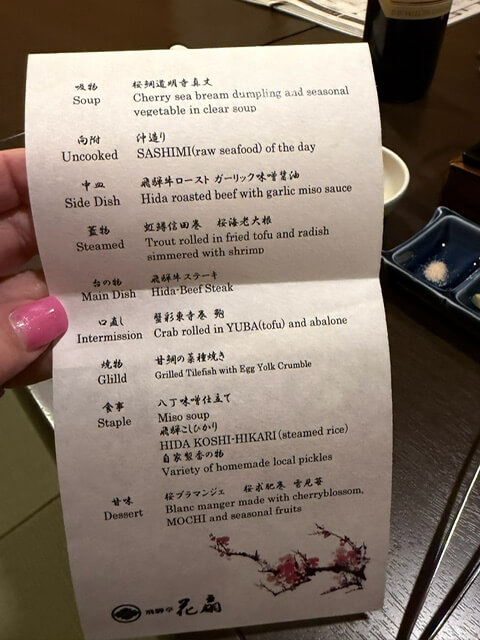
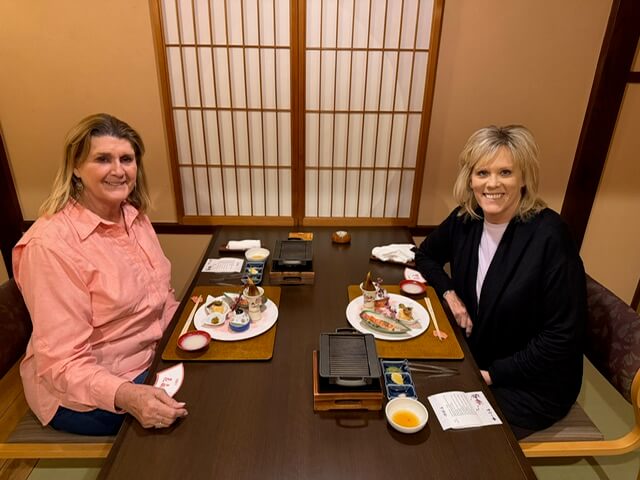
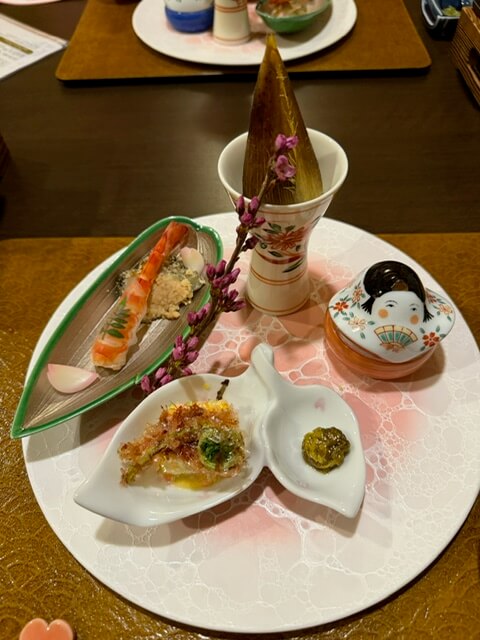
We checked in for two nights at Hadatei Hanaougi, a traditional Japanese ryokan ….a traditional Japanese inn that typically features tatami-matted rooms, communal baths, and serves traditional meals. Translation: it smells amazing and makes you question every design choice you’ve ever made back home. Dinner was served in a private room, very kaiseki-style—tiny, beautiful dishes that look like art and make you wonder if you’re supposed to eat them or frame them.
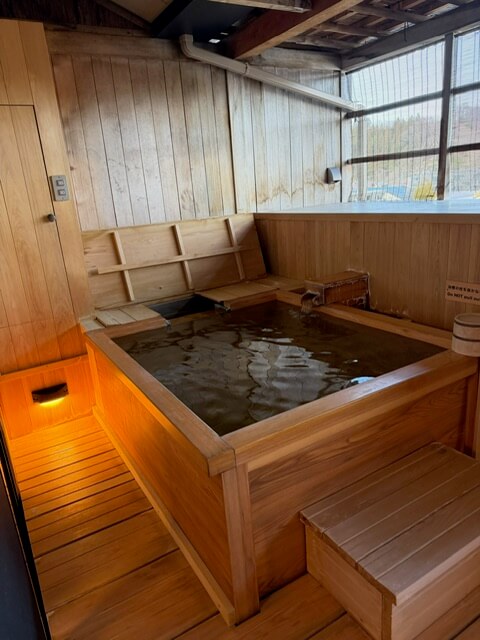
The hot springs are fed from a private source owned by the hotel and are supposedly great for your skin. Naturally, we had to test this scientific claim. Verdict: yes, probably great for your skin… if you can survive the heat. These baths are not messing around. I’m fairly certain I boiled away at least one layer of stress.
Service was warm, welcoming, and very traditional—basically the kind of hospitality that makes you want to apologize for ever staying at a chain hotel.
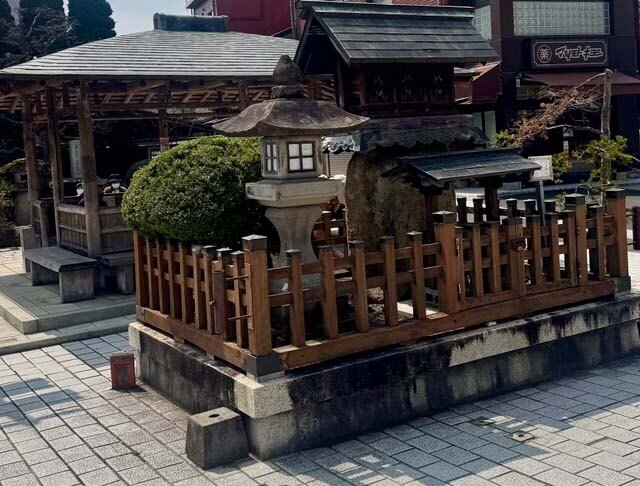
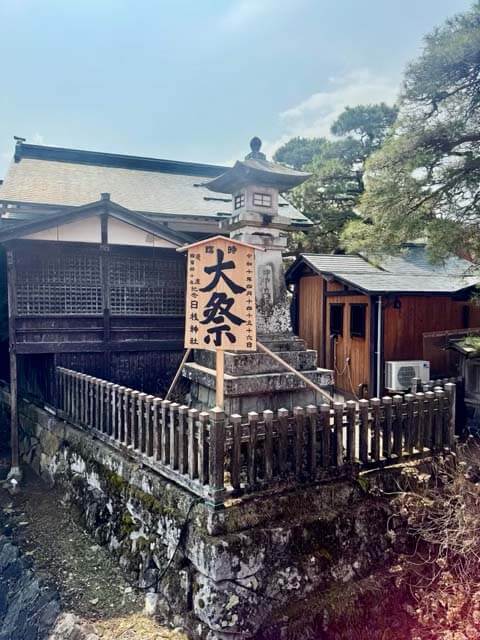
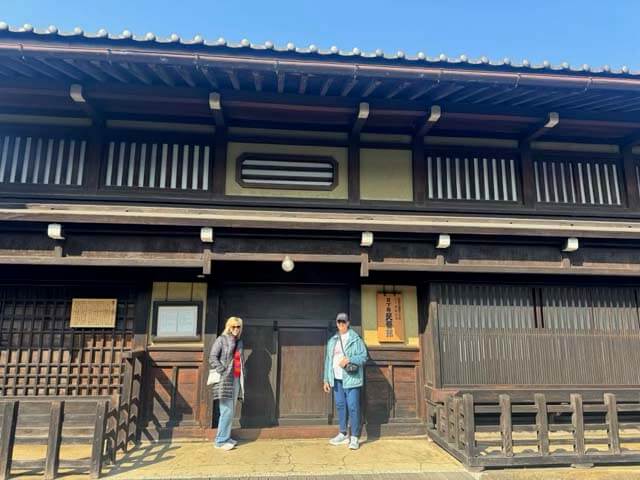
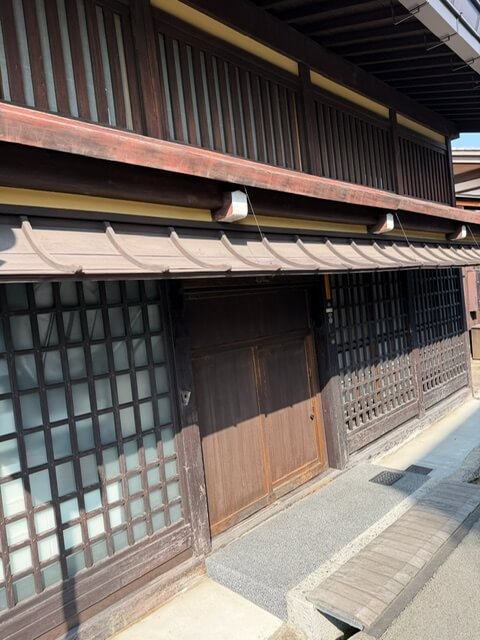
There are still wooden houses here that are 400 years old (from the 1600s–1800s), which is impressive considering some modern buildings can’t survive a strong breeze. The second floors are very short—originally for servants—and the doorways are low too. Either people were shorter back then, or they just really wanted to keep everyone humble.
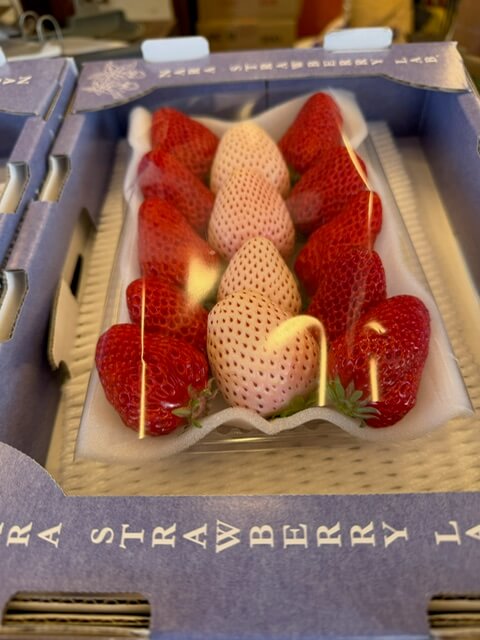
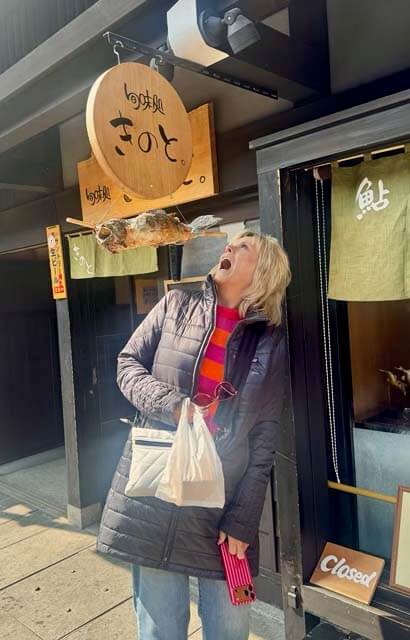
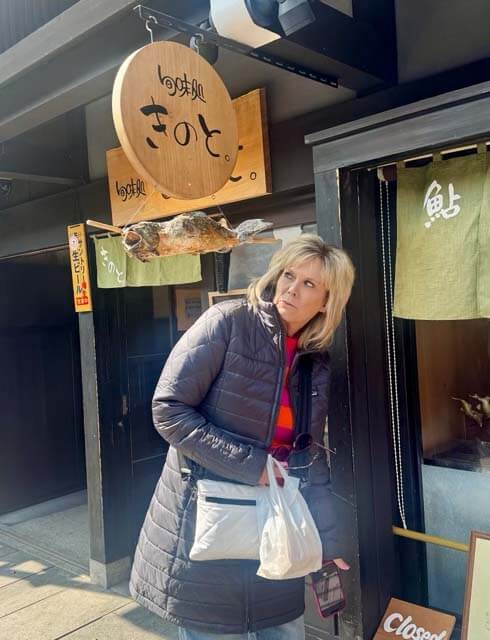
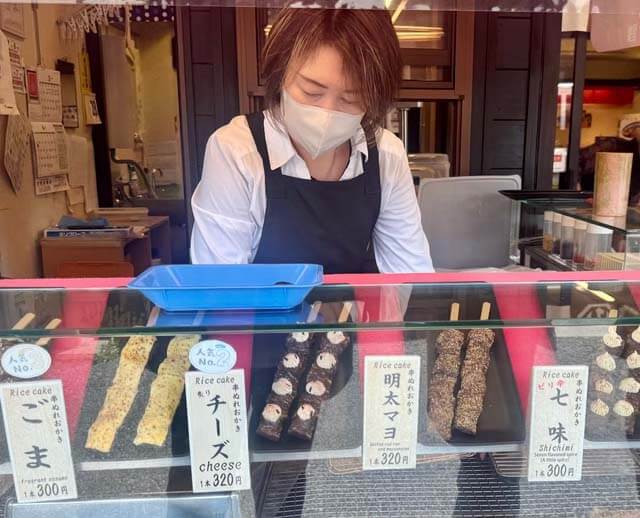
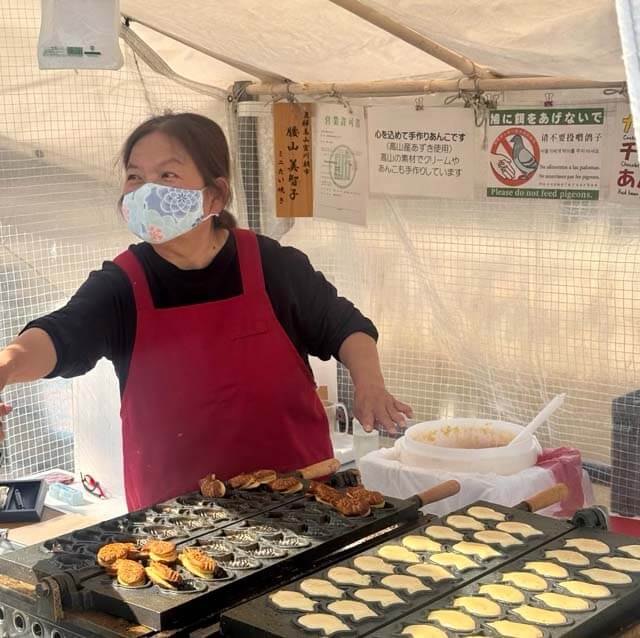
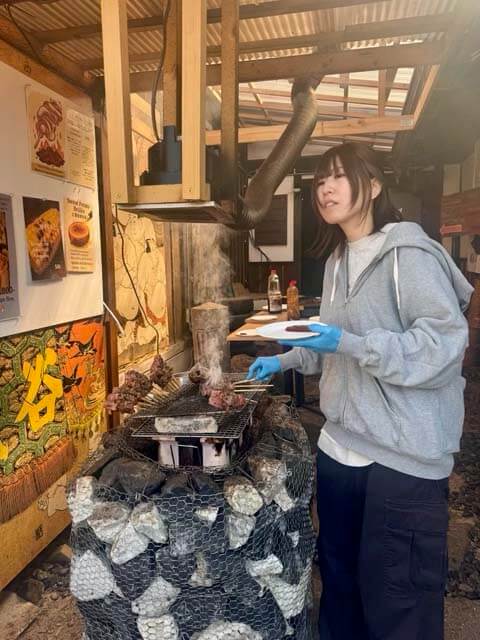
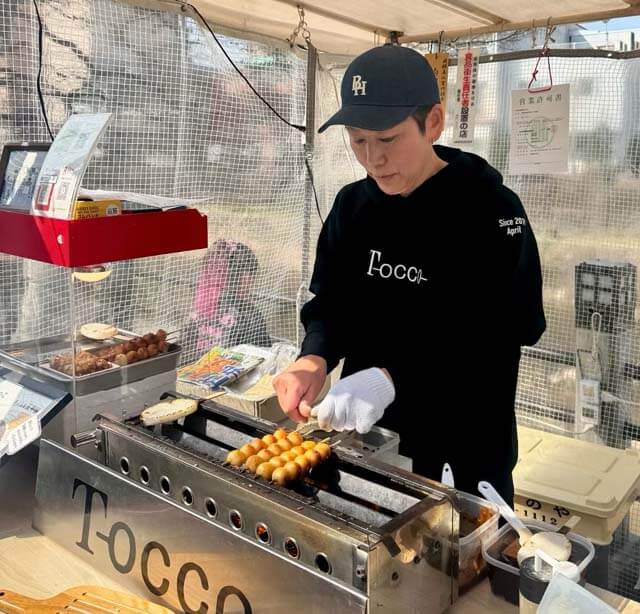
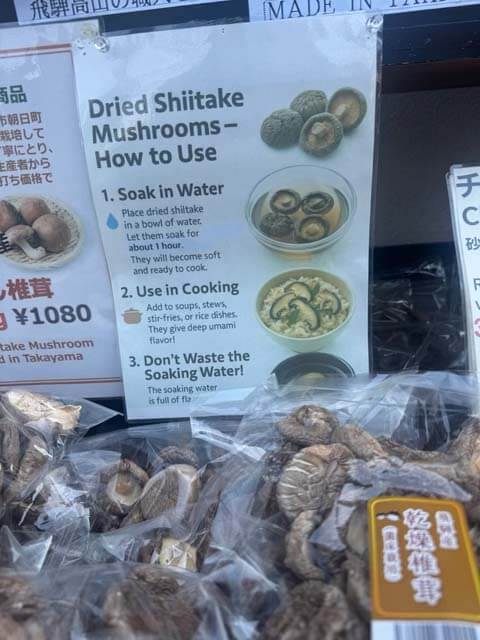
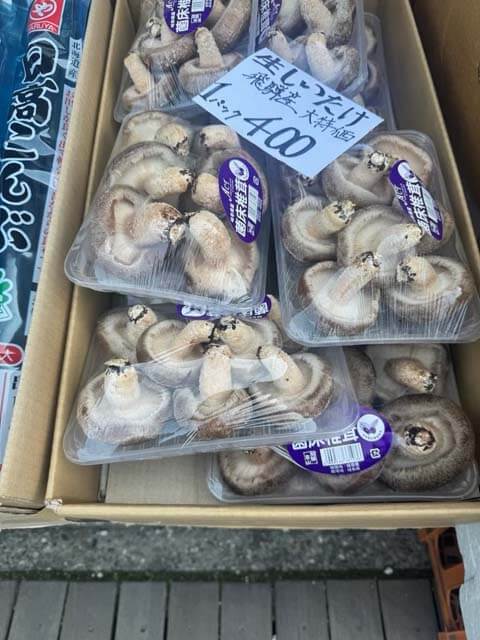
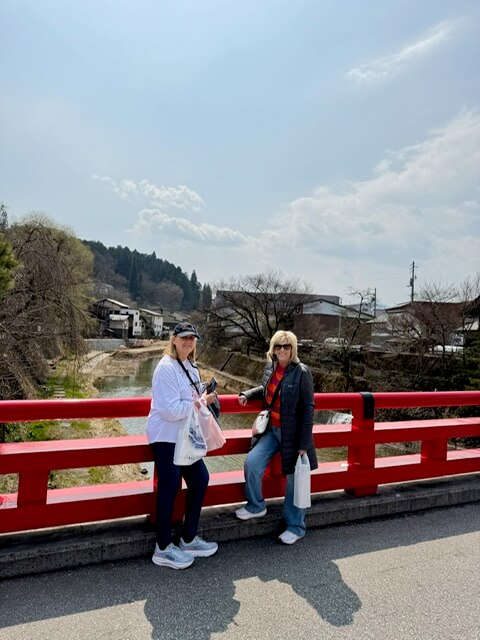
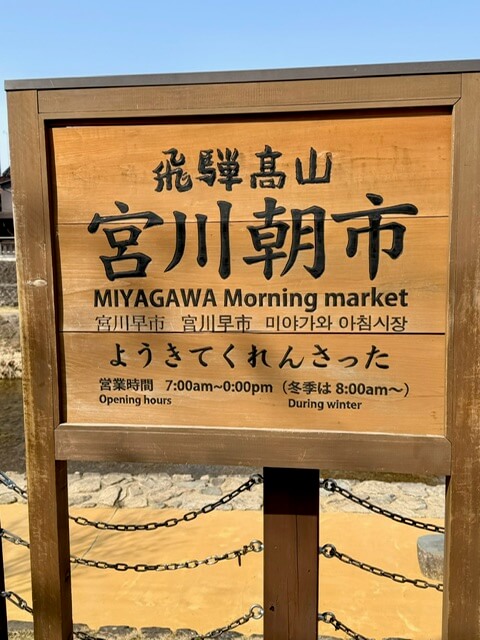
We spent the morning exploring a 200-year-old outdoor market along the river. The fruits and vegetables are unbelievably good—especially the strawberries. They’re huge, bright red, and also come in pink and white, because apparently strawberries here are overachievers. We passed on the roasted ginkgo nuts, sweet fish and octopus balls…But later we did enjoy the shrimp tempura.
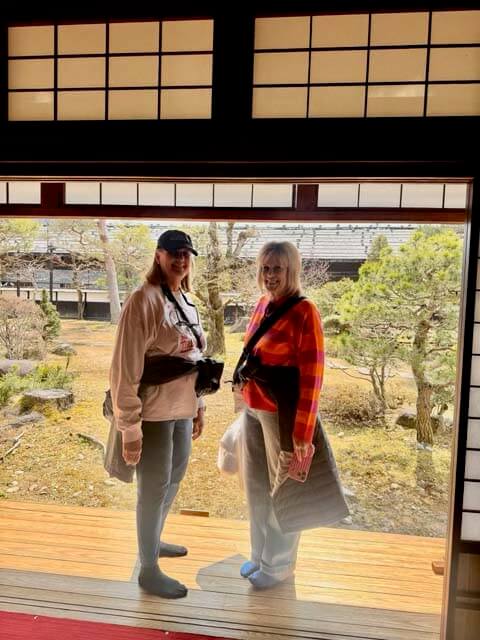
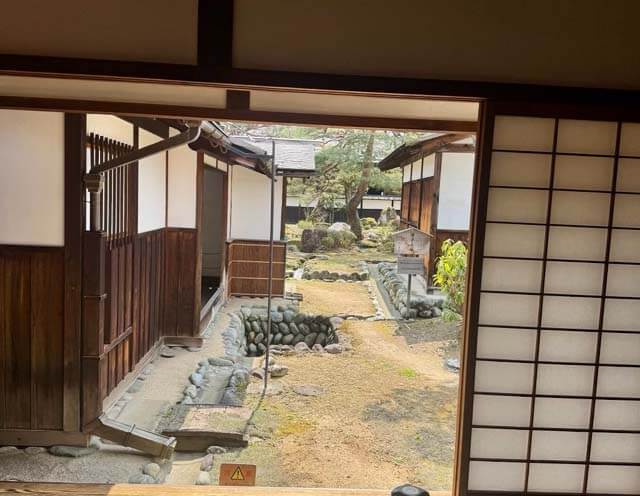
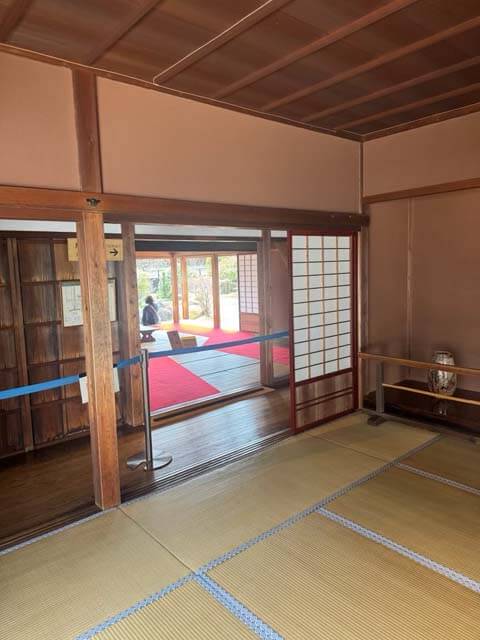
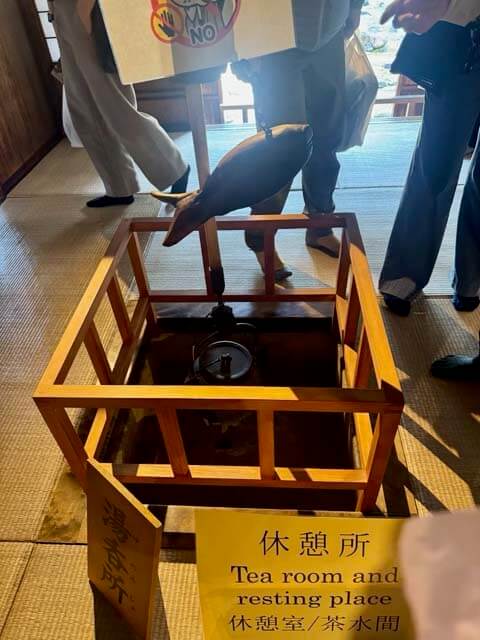
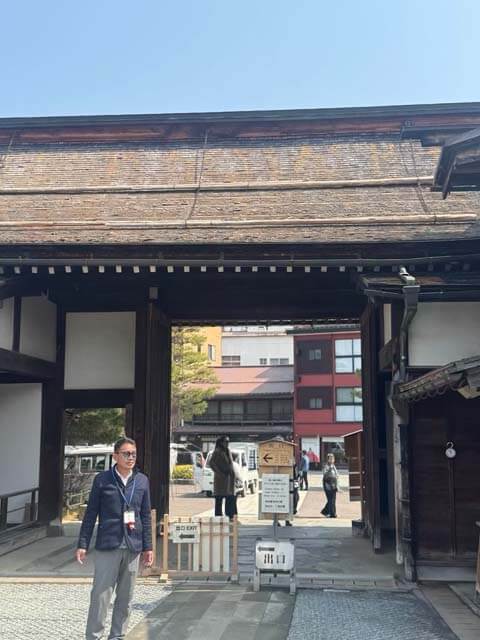
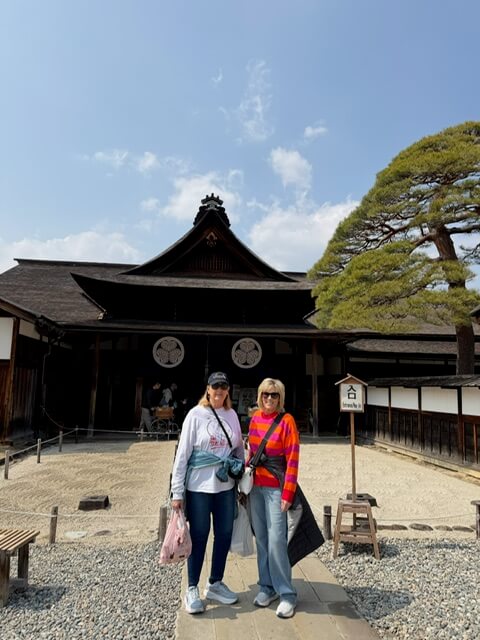
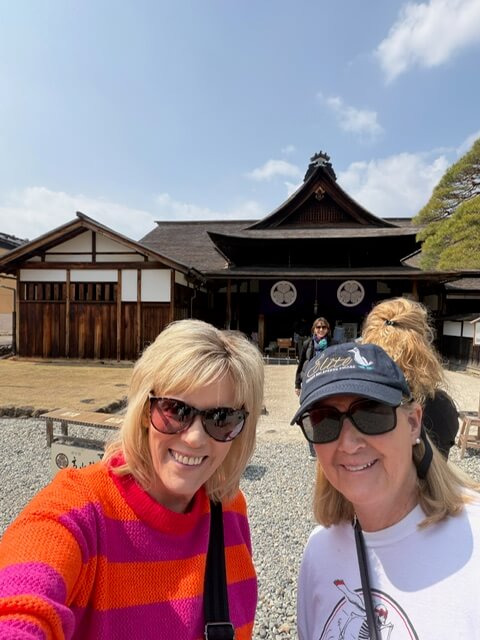
We visited the Takayama Jinya, a historic government building used for 25 generations. It housed officials, tax collectors, and forest managers during the Edo period, which lasted 265 years. That’s longer than most modern businesses—and probably with fewer meetings.
Fun cultural facts:
- The fish symbolizes protection from fire—because, of course, they live in water. Makes sense when you think about it…
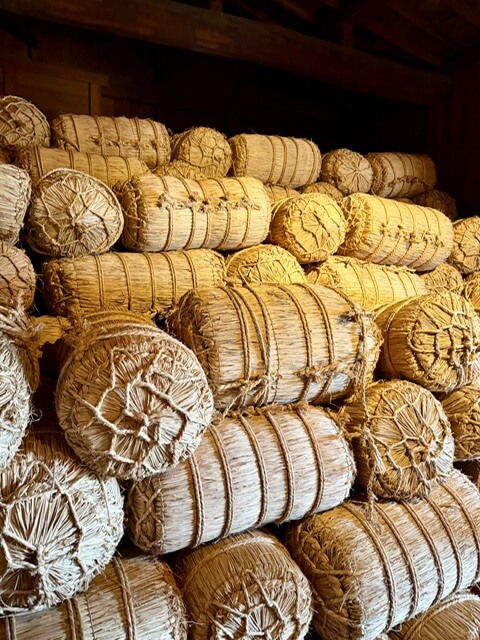
- Back in the 1600s, people paid for things with bundles of rice. Imagine hauling your grocery money around in sacks. “I’ll take this table… that’ll be three rice bundles, please.”
We also had our guide record video messages for the grandchildren. Connie has 9, I have 3… so this turned into a full production. By the end, our guide was basically running a personalized international marketing campaign:
“Hello [insert grandchild name], please visit Japan… I’ll be waiting.”
Honestly, she deserves a raise.
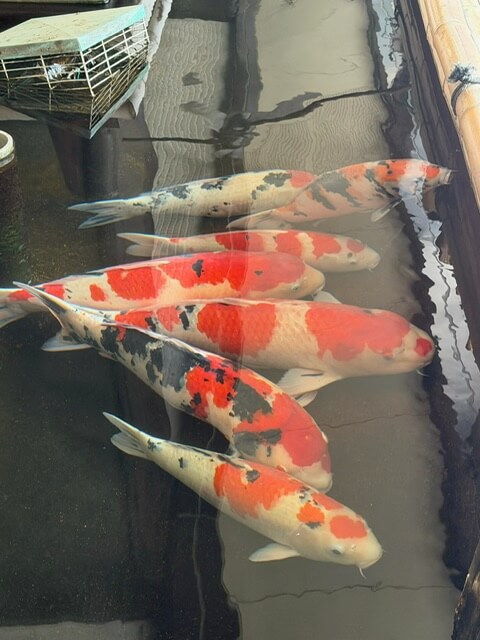
Returning to the ryokan, we admired the HUGE orange carp (goldfish) in the moat around the lobby. Don’t think I’ve ever seen any quite so large.
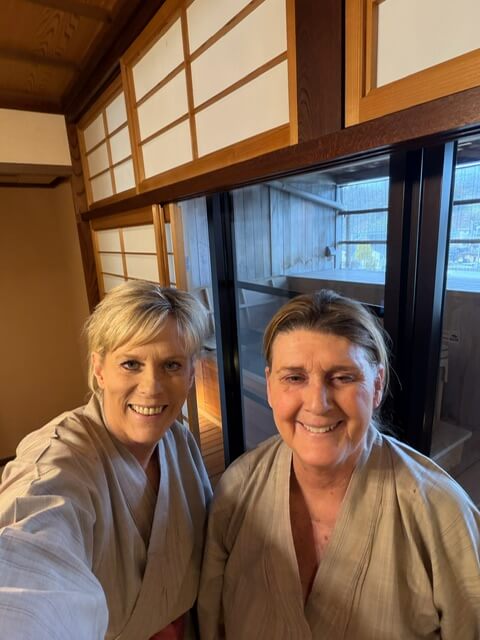
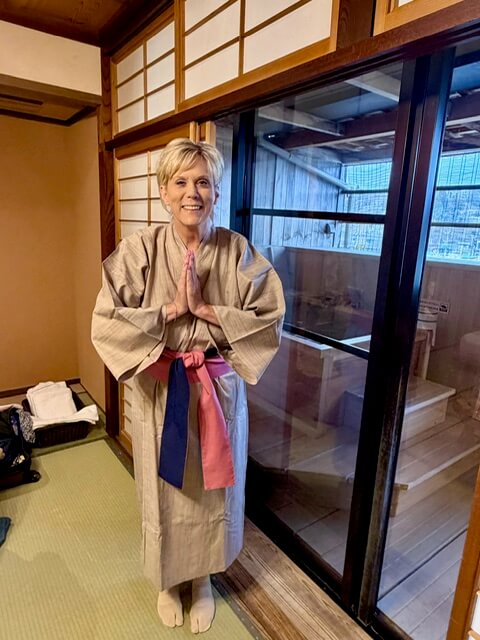
The afternoon highlight was another dip in the hot springs followed by getting dressed in a kimono for dinner. Nothing makes you feel more elegant… or more aware of your posture.
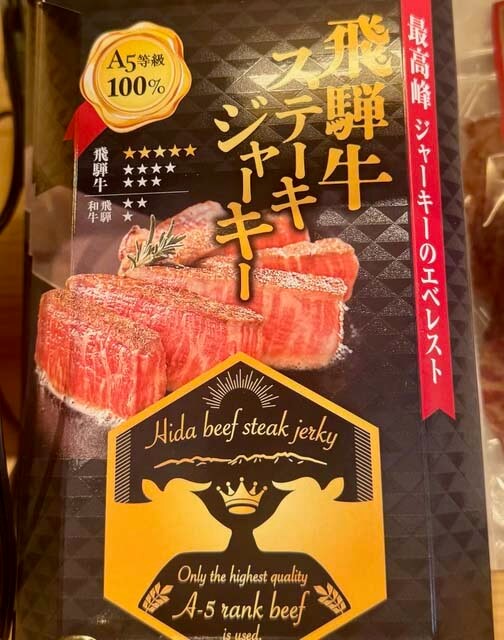
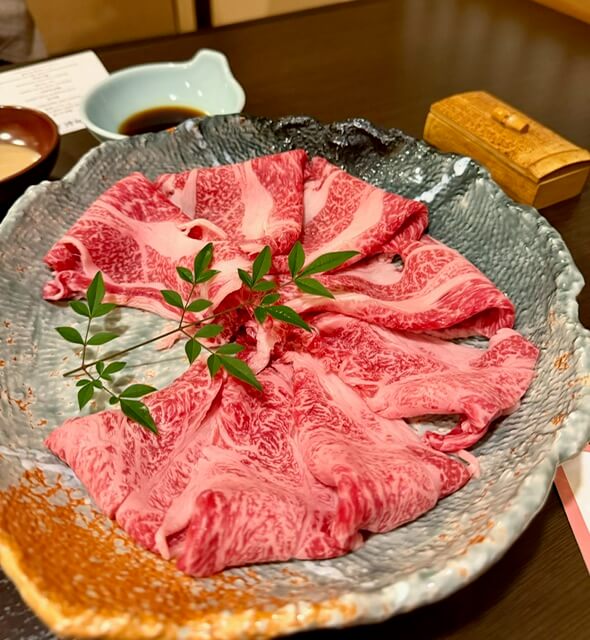
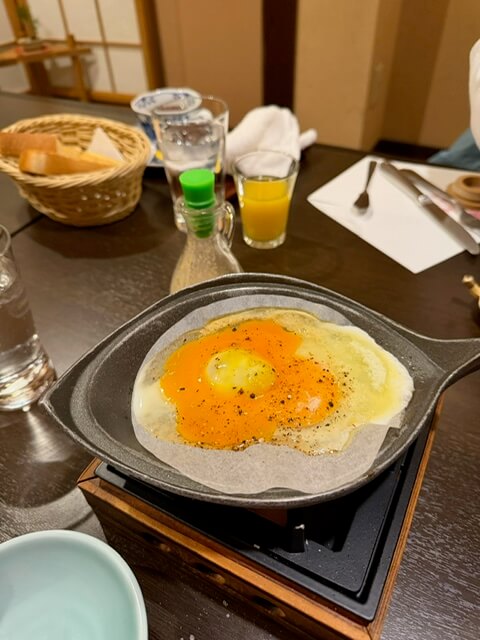
Both dinners at the ryokan were incredible. The Hida beef practically melts in your mouth, and the endless small dishes were unique, beautiful, and occasionally mysterious (we ate everything anyway—living dangerously). The plum wine was delicious… and let’s just say, very effective 😉

0 Comments