
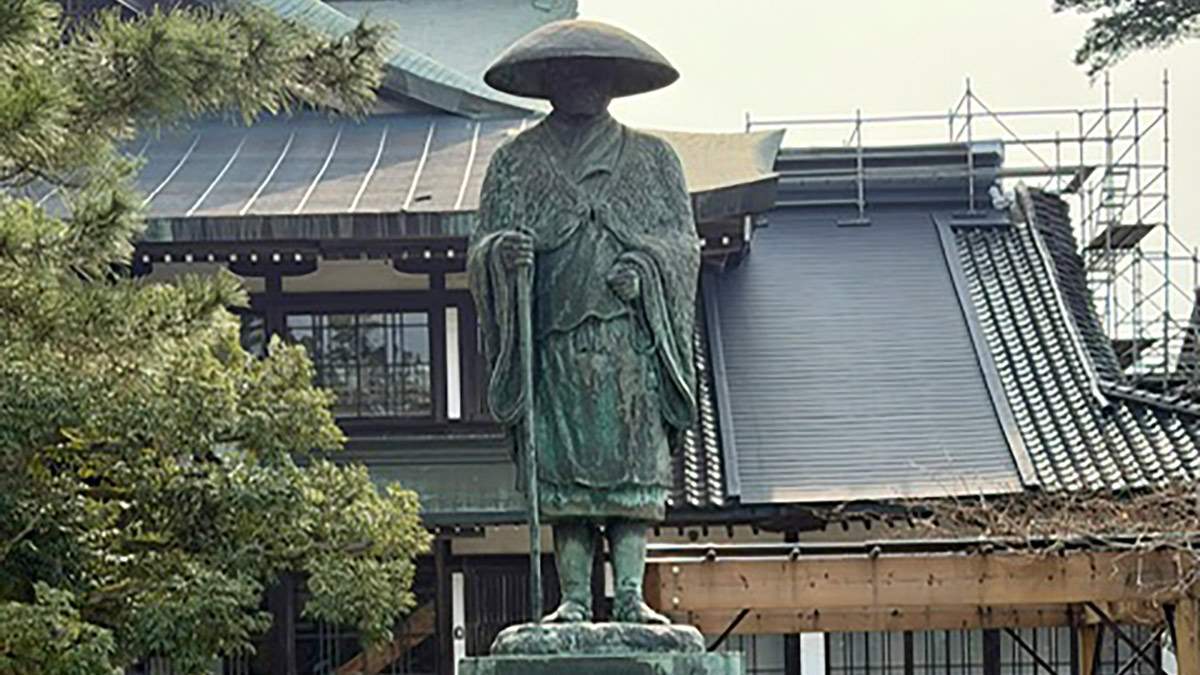
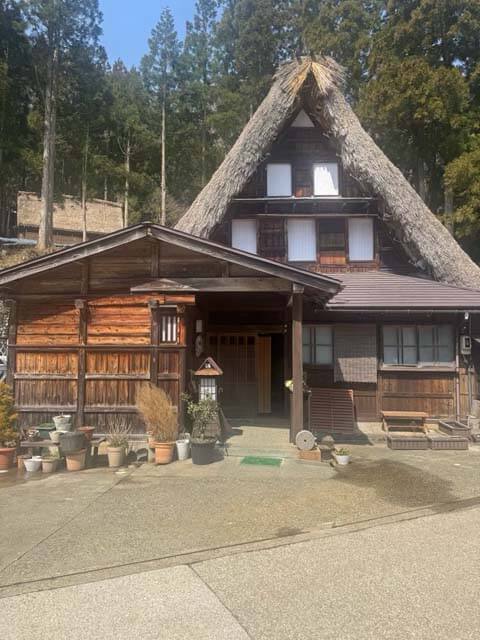
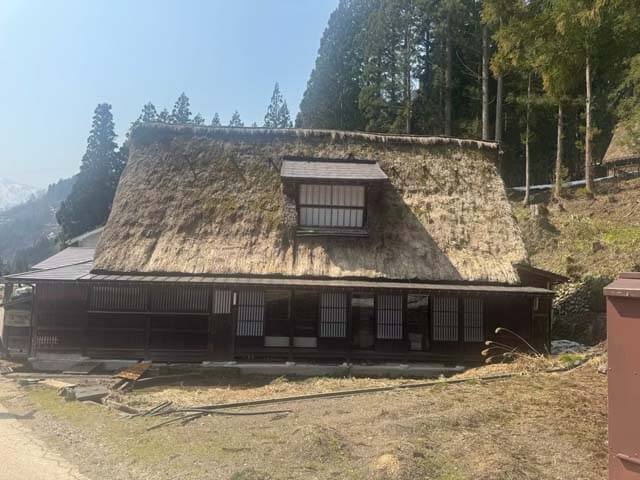
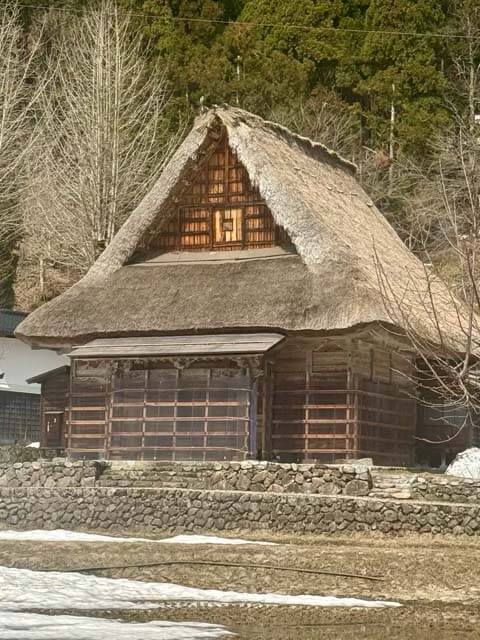
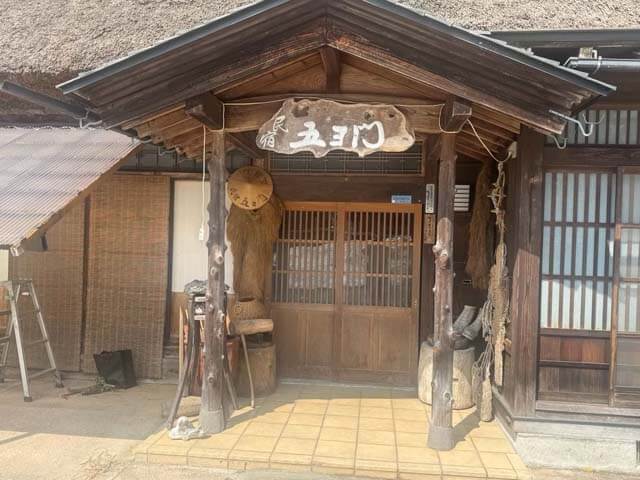
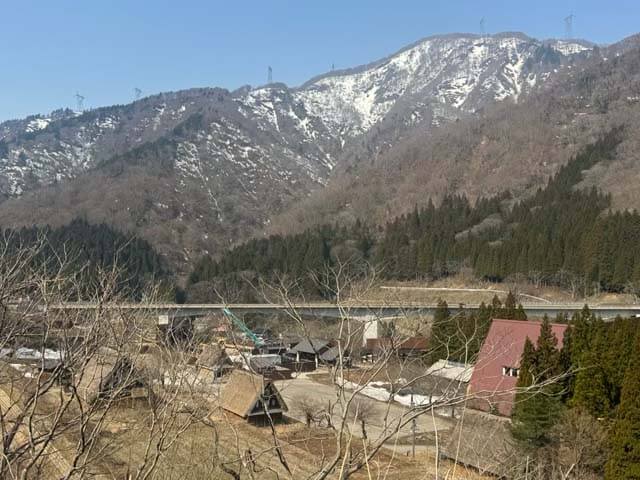
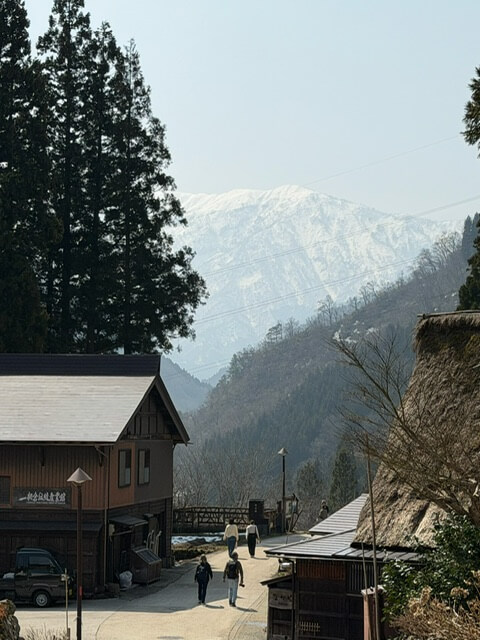
We set off today to explore the countryside and experience what I like to call “Rural Japan: Tunnel Edition.” Honestly, I’m pretty sure we didn’t drive there—we just teleported from tunnel to tunnel. I lost count somewhere around tunnel #35, but eventually—miraculously—we emerged at the top of a mountain to visit a UNESCO World Heritage site: the tiny village of Ainokura.
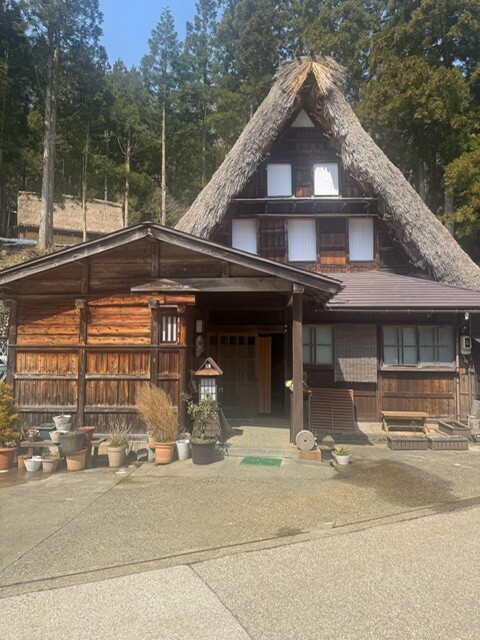
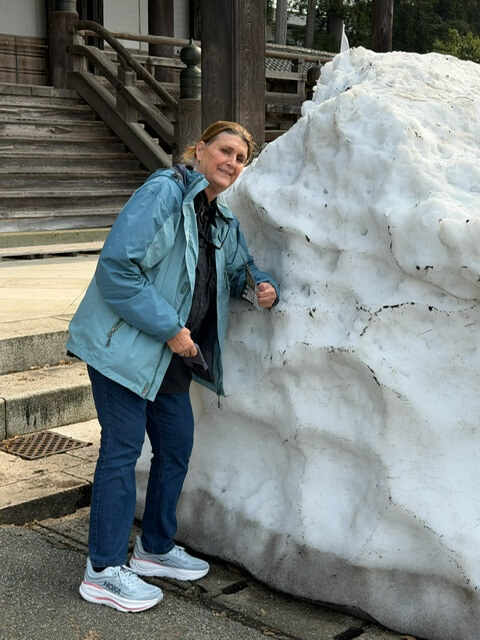
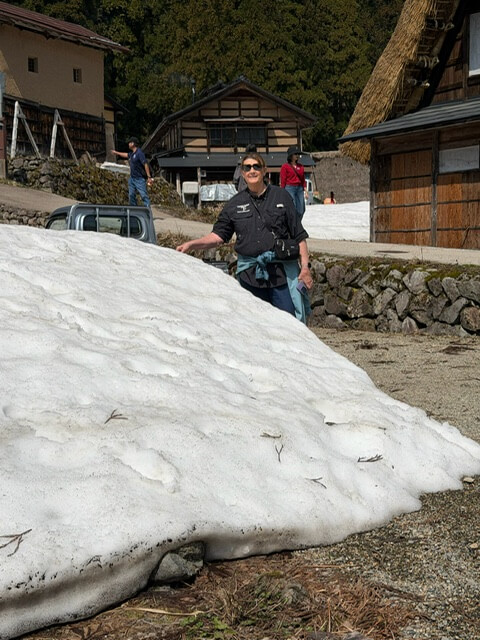
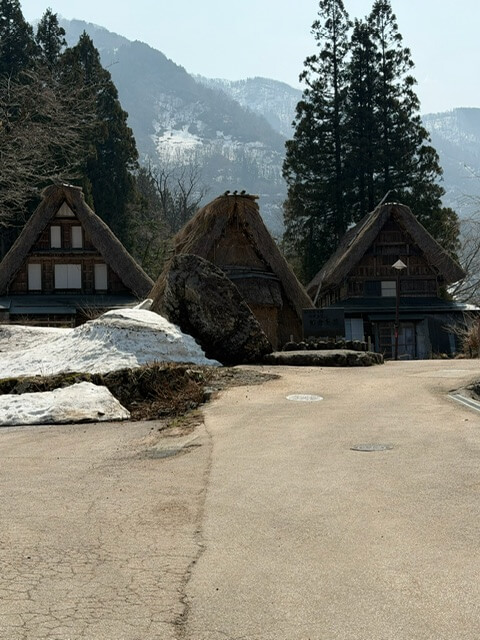
And when I say tiny, I mean “if you sneeze too hard you might depopulate it.” About 100 people live there now, surrounded by roughly 20 thatched-roof farmhouses… and yes, there was still snow on the ground, just to remind you that you’re not in Texas anymore”.
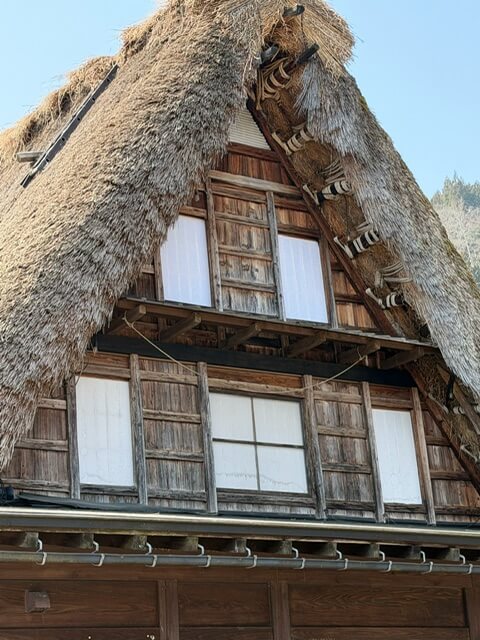
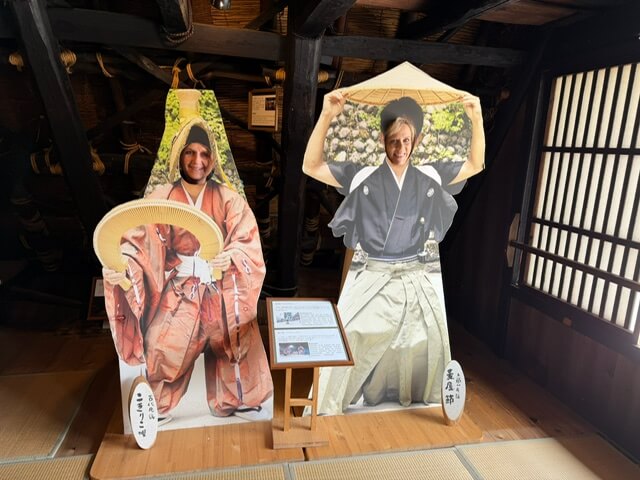
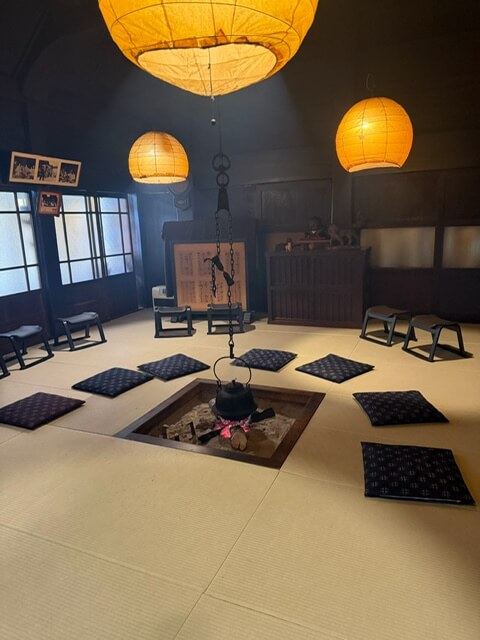
This place is called Ainokura Gassho-zukuri Village, and it’s about 300 years old. Back in the day, around 10,000 people lived here. The houses are famous for their steep thatched roofs, designed to look like two hands praying. Personally, I think they were praying for less snow and maybe Wi-Fi.
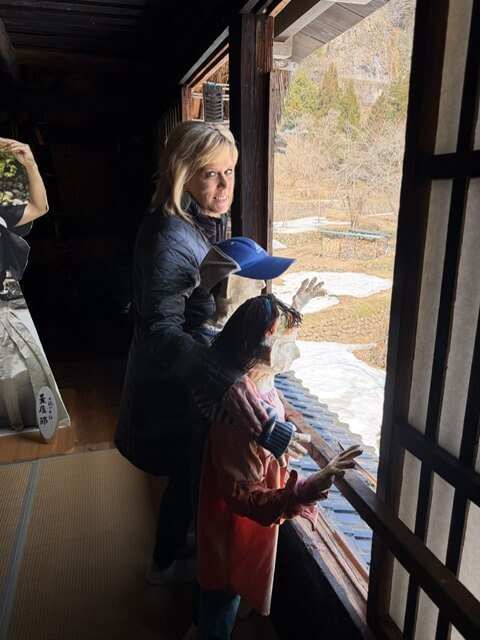
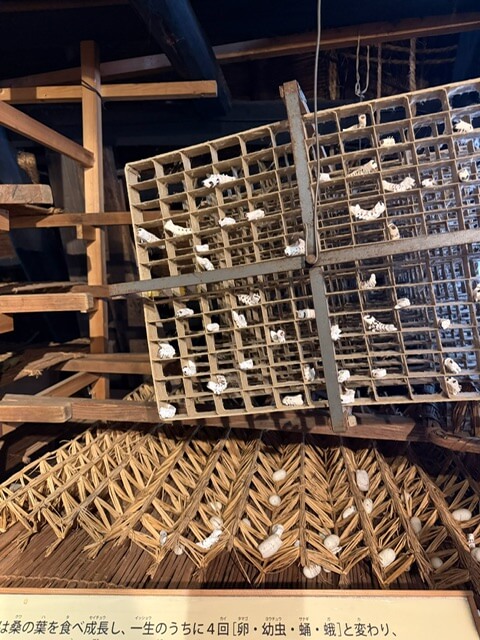
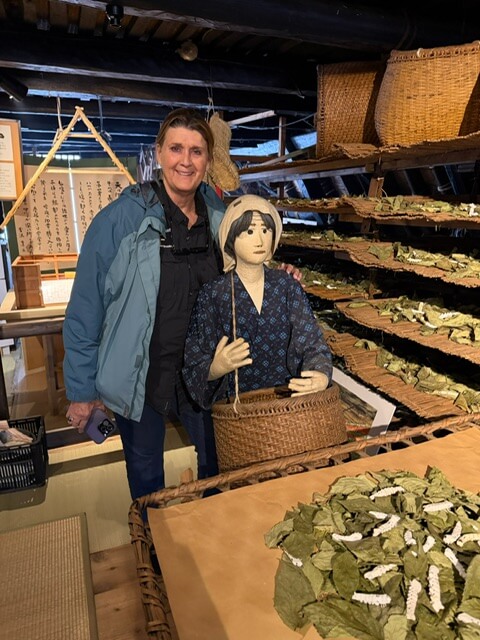
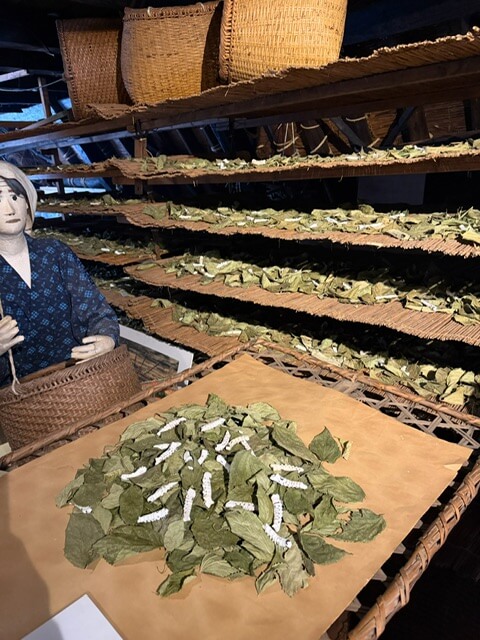
Fun fact: these homes doubled as silk factories, with families raising silkworms in the attic…nothing says cozy mountain living like sharing your upstairs with thousands of very motivated worms.
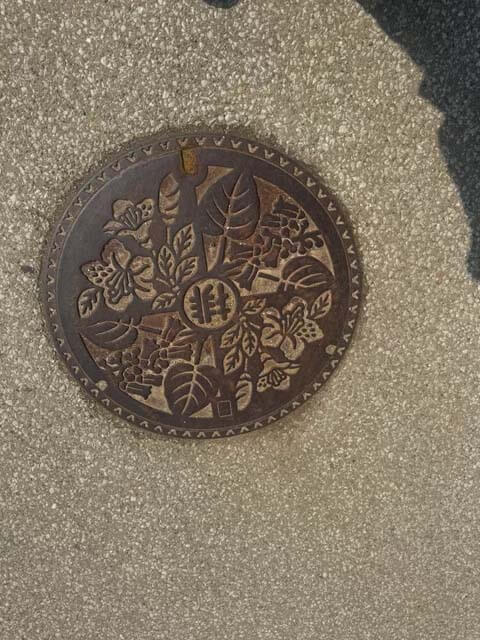
I was also deeply impressed (and slightly concerned) to discover that even the sewer covers are decorative works of art. Maybe too much time on their hands?
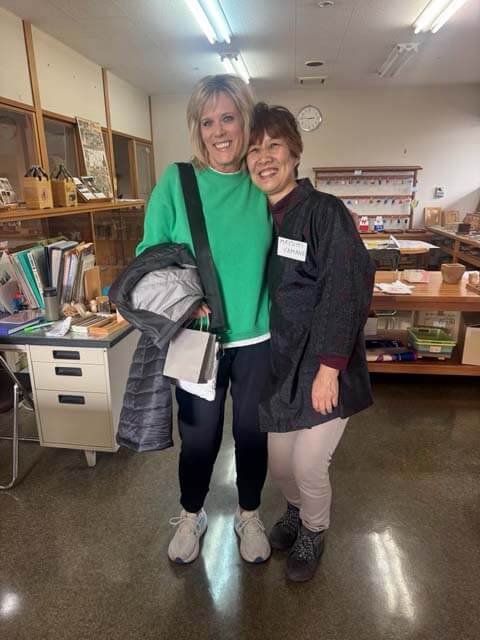
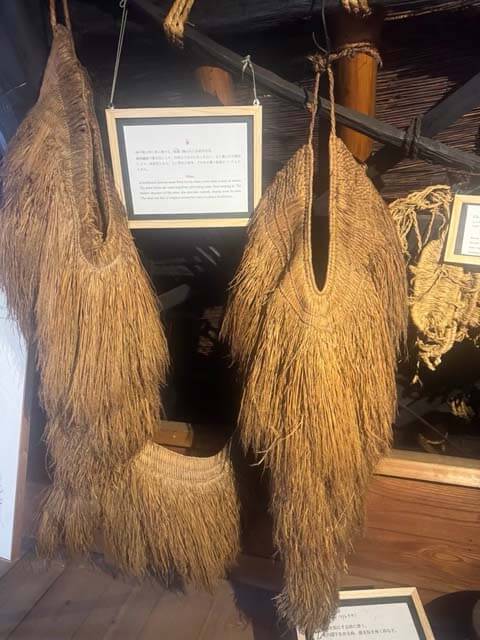
Next, we stopped at a small shop dedicated to traditional Japanese paper-making. Turns out, they’ve been making paper here for over 600 years using mulberry bushes, up until around 1960. So yes, apparently the song “Here We Go Round the Mulberry Bush” was actually about arts and crafts all along. The paper items were beautiful… and of course I had to purchase a souvenir.
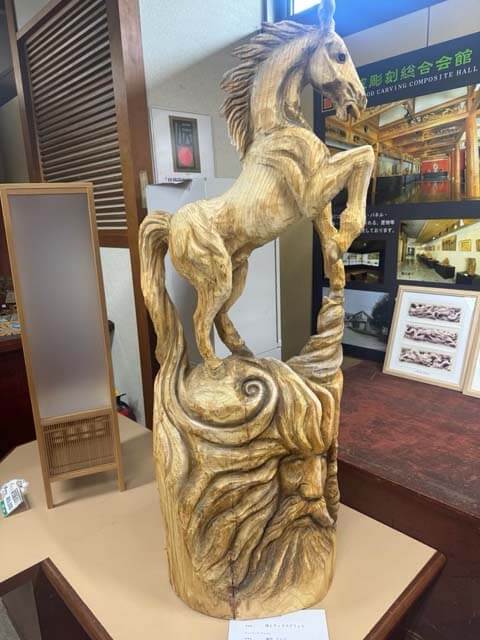
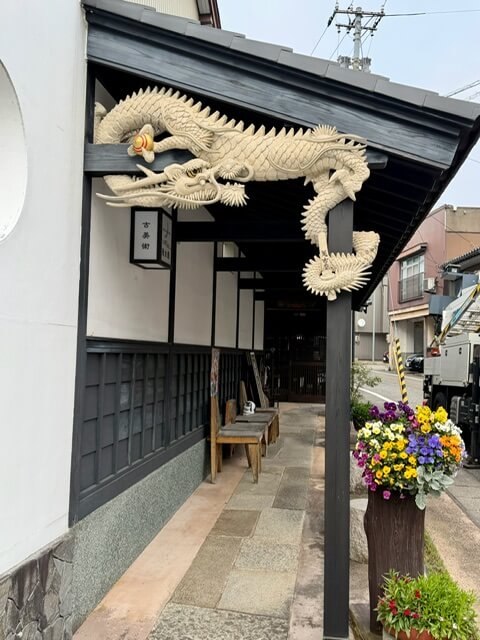
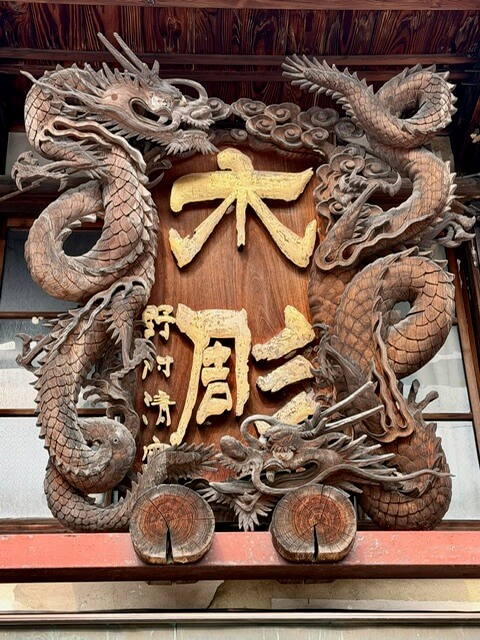
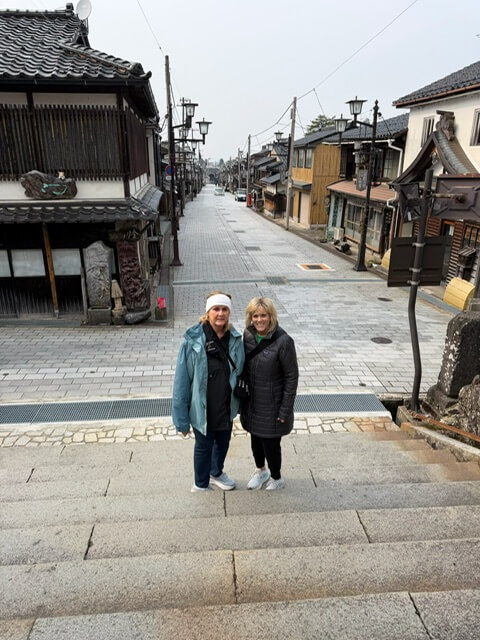
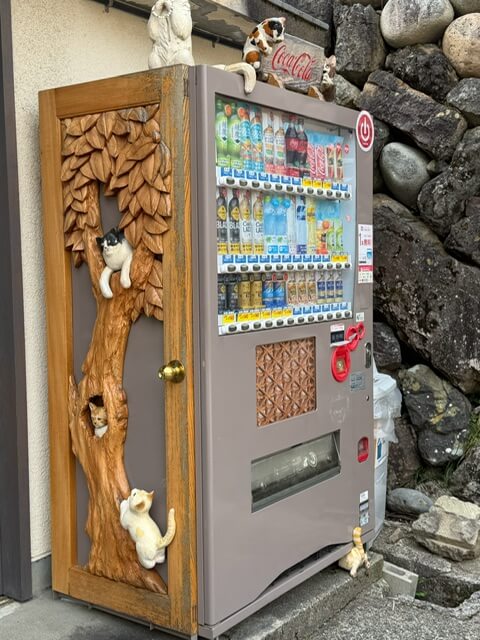
From there, we headed down the mountain to Inami, Japan’s woodcarving capital—also ranked among the top 50 quietest cities in the world. Which makes sense, because if you’re chiseling wood all day, you probably don’t have time for small talk. This charming town has over 120 workshops and 300 artisans, all working on incredibly detailed carvings. There’s basically one main street, and it’s just workshop after workshop of people casually creating masterpieces while I struggle to carve a decent pumpkin at Halloween.
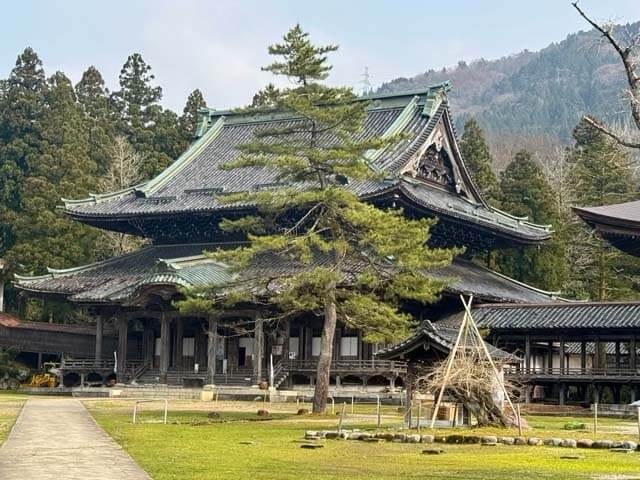
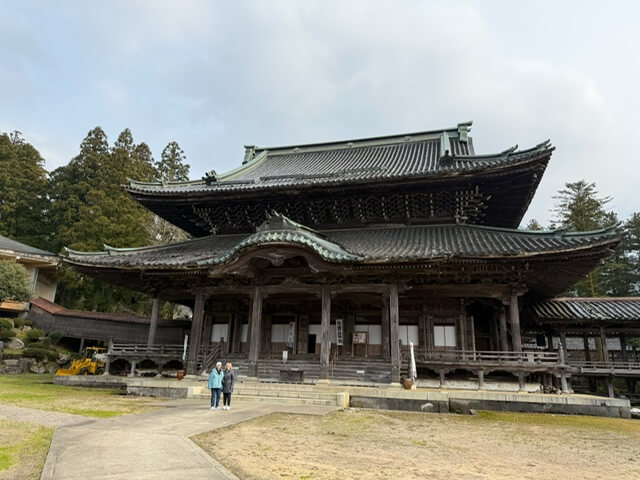
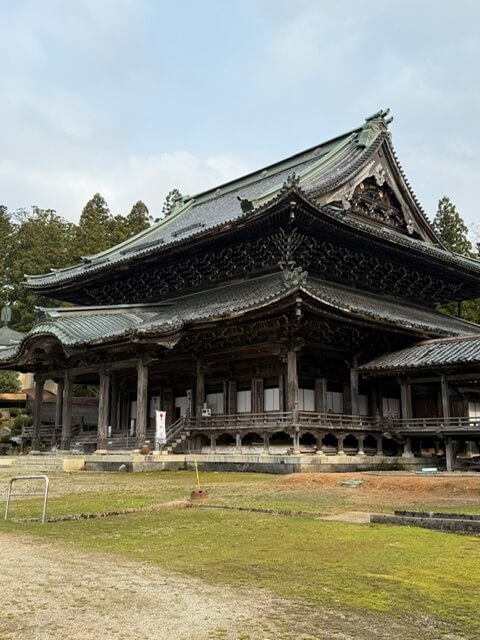
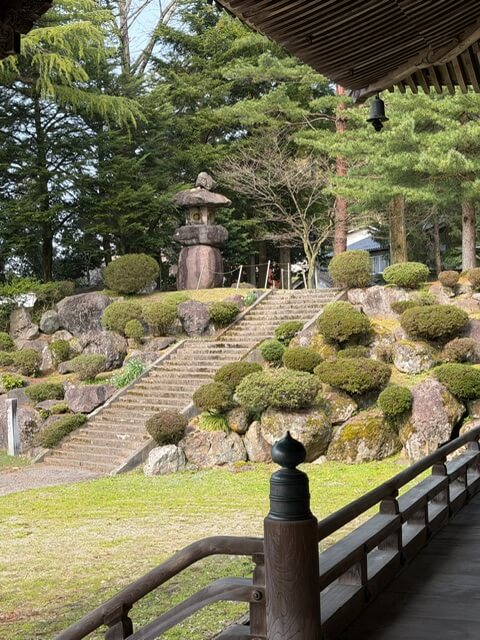
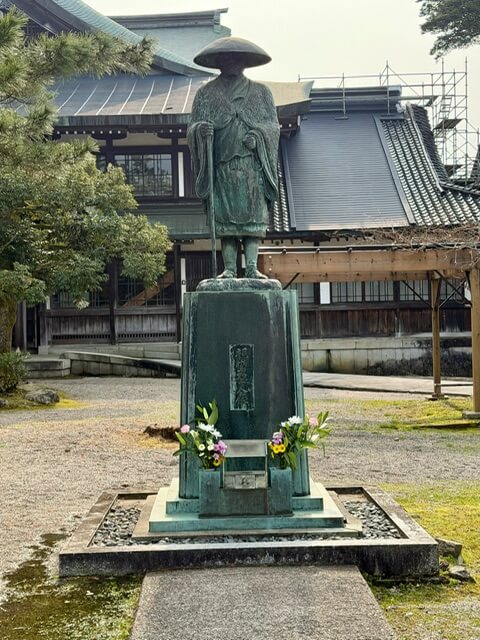
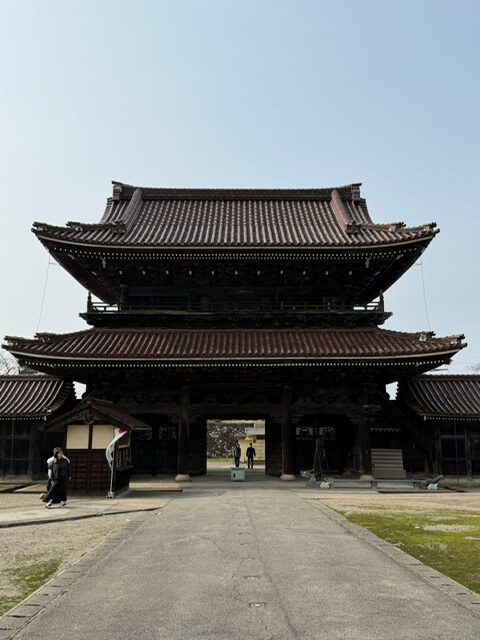
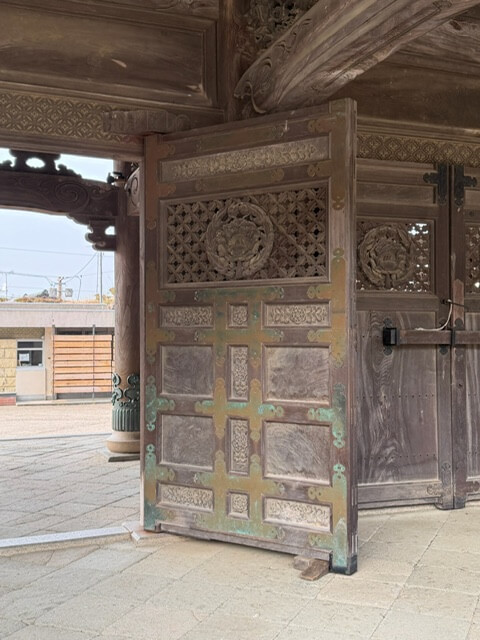
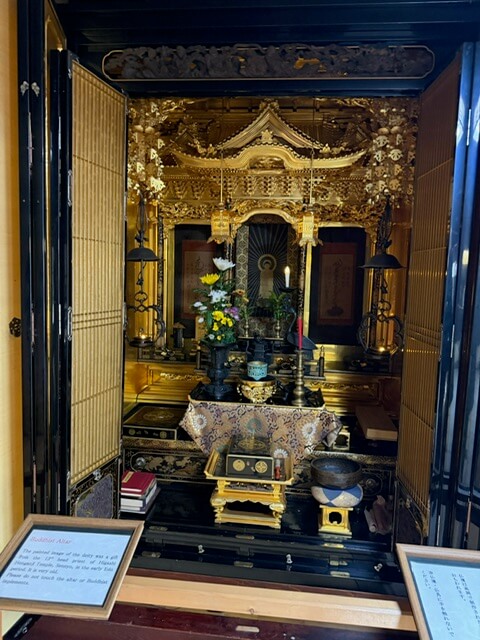
We wandered through several of these workshops, watching the artists at work, until we reached the stunning Zuisenji Temple, a 14th-century Buddhist temple considered the birthplace of Inami woodcarving. The temple is absolutely breathtaking.
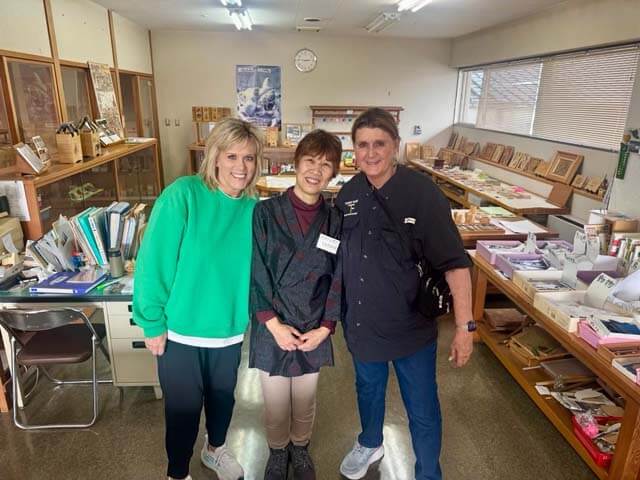
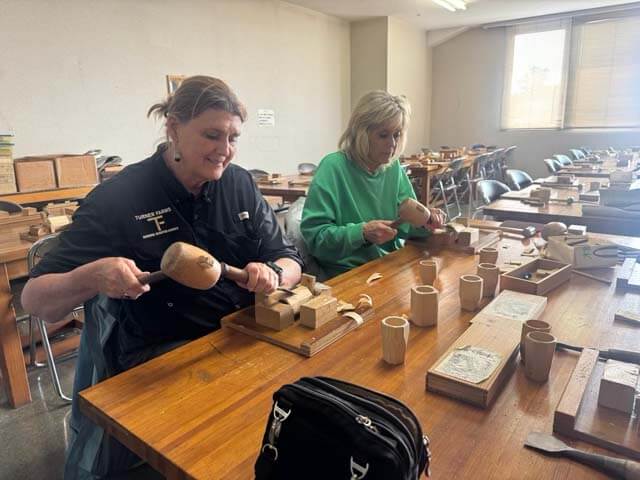
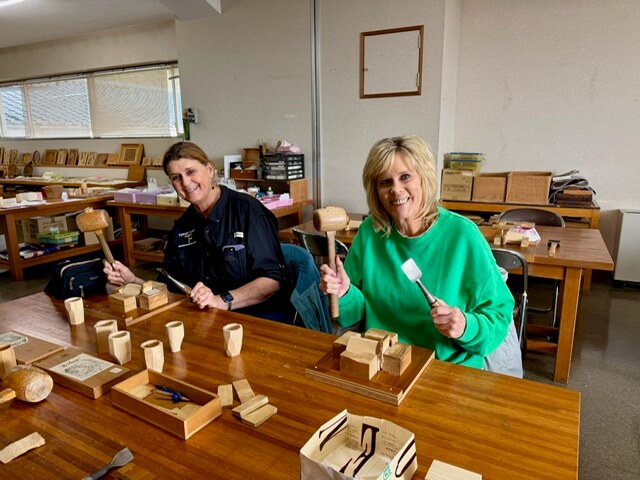
Feeling inspired (and perhaps overconfident), we stopped at a workshop to carve our own wooden sake cup. Let’s just say… mine has “character.” It’s a great souvenir, though—if only as a lifelong reminder that I should stick to drinking sake, not crafting the cup it comes in.
A few observations about Japan housing:
- Buildings are durable enough to last hundreds of years.
- Doors slide side-to-side, which is great until you try to dramatically storm out of a room.
- Toilets are high-tech thrones with heated seats and built-in bidets… truly life-changing.
The only downside? The toilet paper is approximately one ply. So while the toilet is living in the future, the toilet paper is very much stuck in the past. 😩
By the end of the day, we arrived at our final destination: Hotel Sanraku in the heart of Kanazawa—modern comfort at last!

0 Comments