
Our Fall Foliage Adventure Through the Romanian Countryside
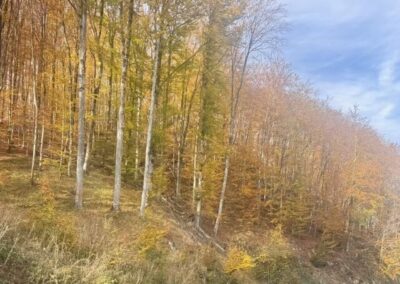
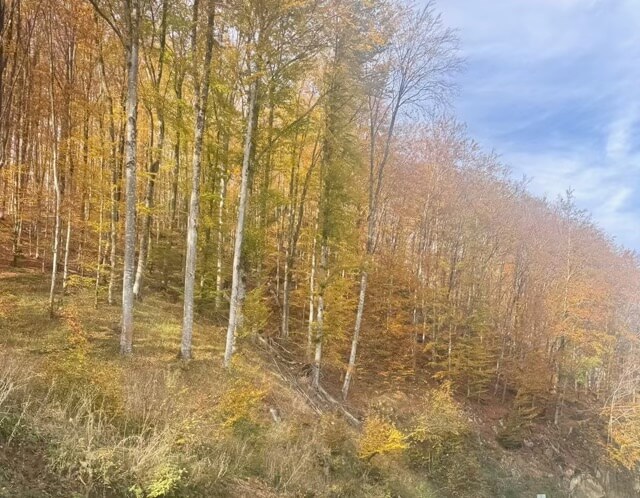
If you think driving through the Romanian countryside is all about pretty fall leaves and picturesque villages, think again! Our journey from Brascov to Sibiu (which I’m still trying to pronounce correctly) turned into a history lesson involving peasants, gypsies, blacksmiths, King Charles, wooden nails, and, of course, Dracula. Quite a day!
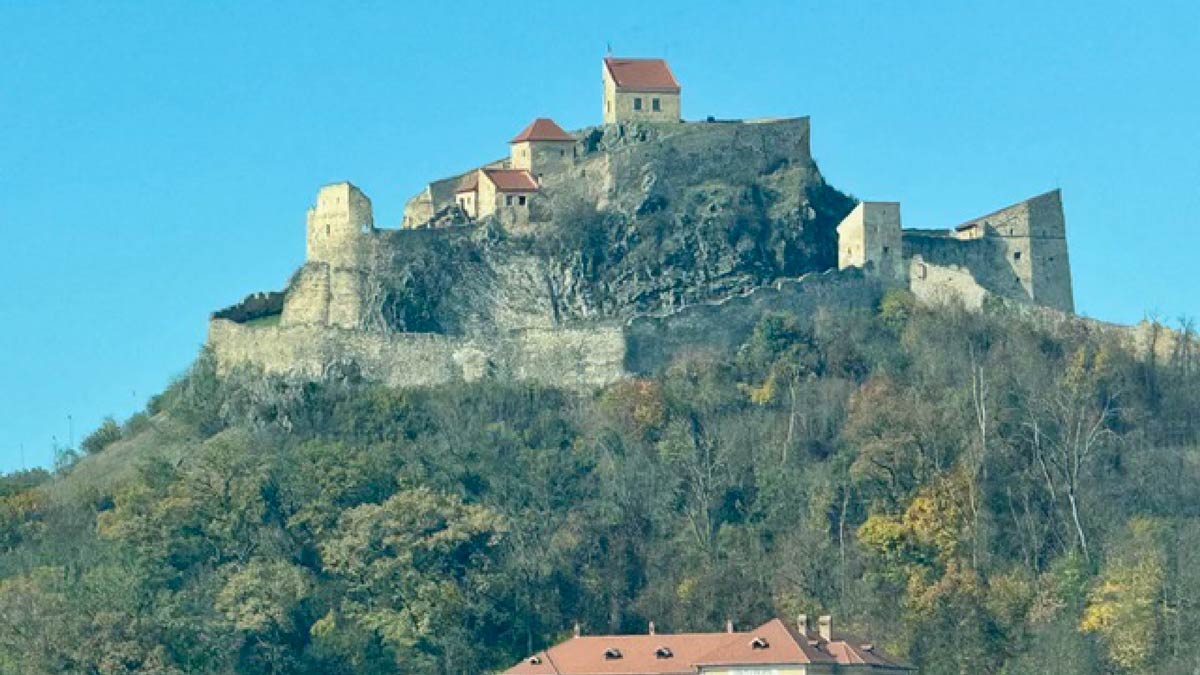
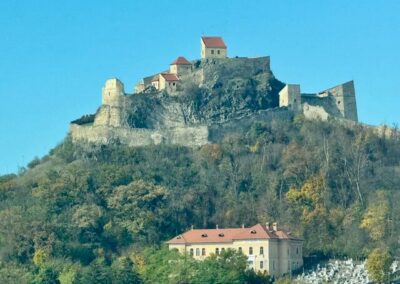
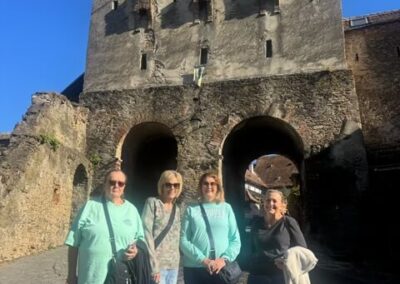
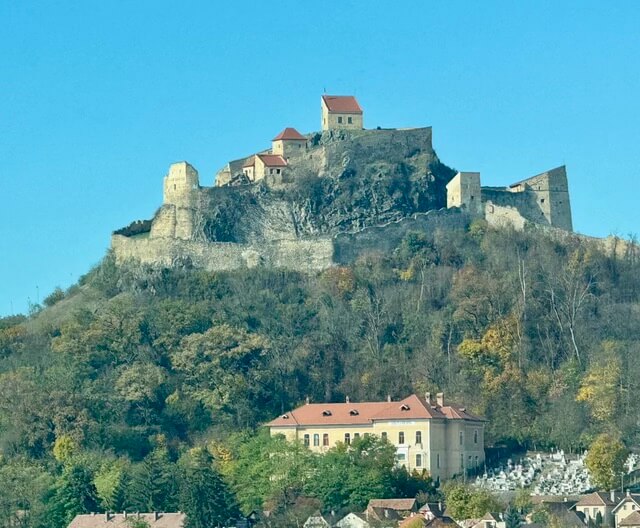
The first site was a small town called Rupea – The Peasants Built a Castle! Rupea is home to an impressive walled fortress dating back to the 1300s. Here’s the interesting part: it was built by the peasants! Apparently, even back then, when things got rough, the peasants decided they needed a really good wall around themselves. And who could blame them?
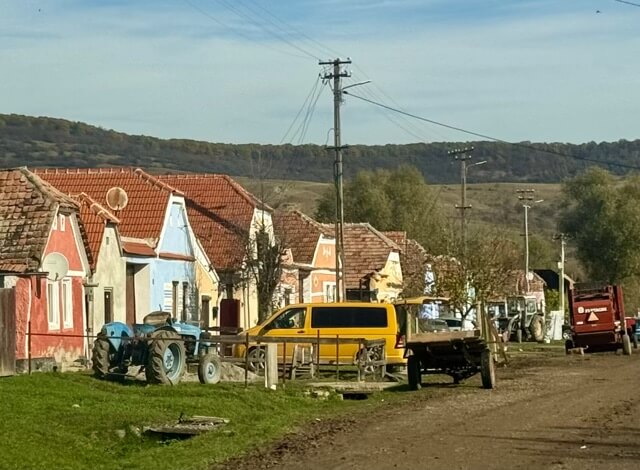
Next stop: Viscri – A Little Village With a Big Story
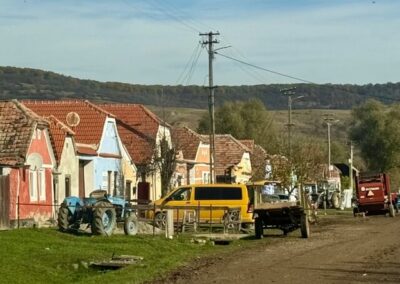
Viscri is a tiny village of about 400 people, with a fascinating history and a rather famous former visitor.
The village church dates back to around 1140 and was built by Hungarian settlers. It’s amazing to think that this little community has survived for nearly 900 years!
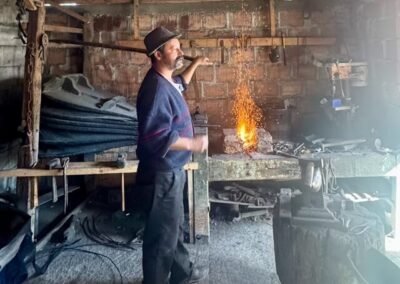
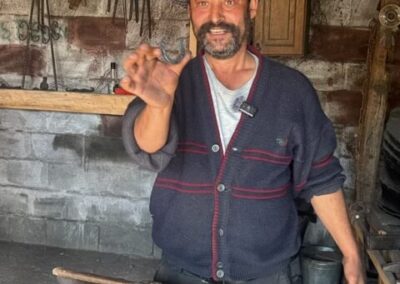
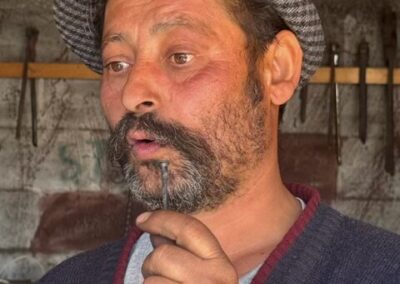
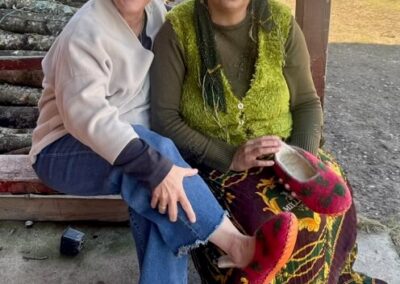
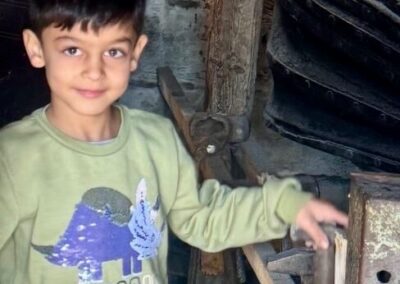
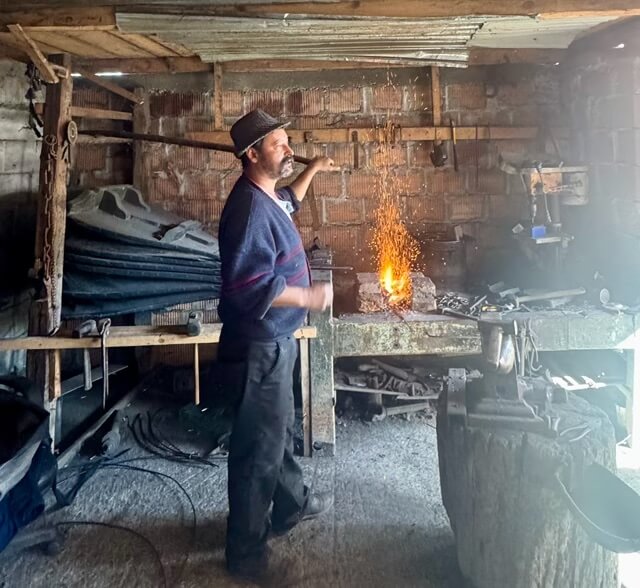
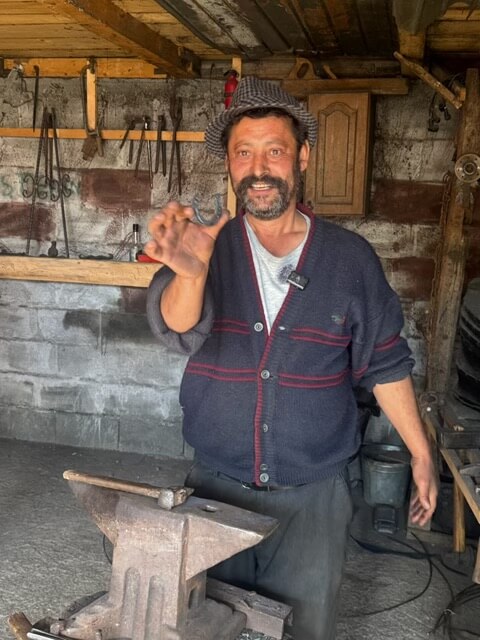
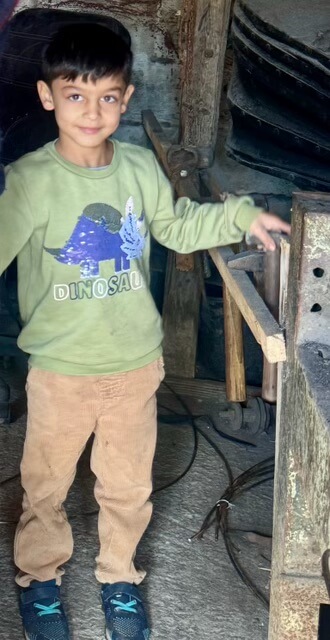
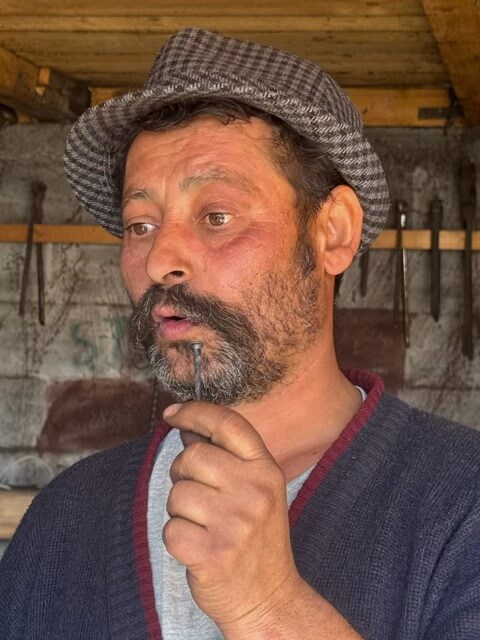
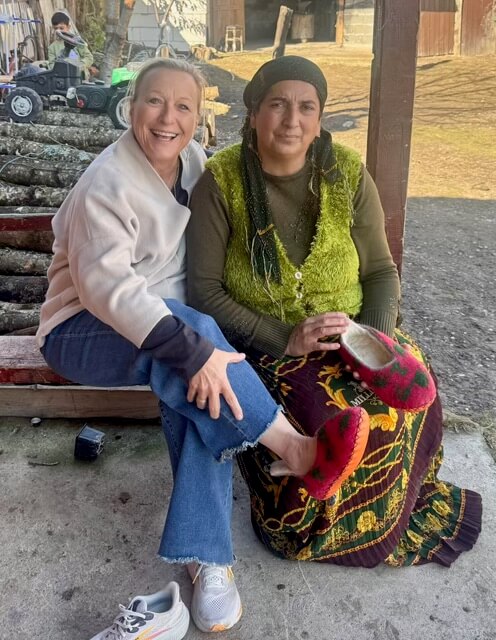
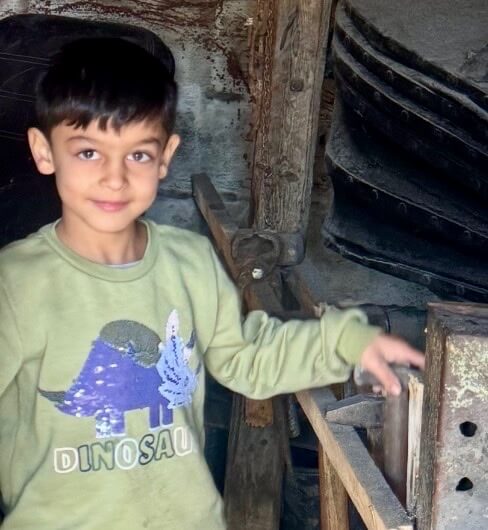
Then there’s the house belonging to King Charles. He purchased the property in 2005, had it renovated in 2015, and made his last visit in 2024 just before becoming King. Not a bad little country retreat! But the real entertainment came with our visit to the village blacksmith. Back in medieval times, the blacksmith was one of the most important people in town. We learned about something called Gypsy nails. Apparently, about 150 years ago, only the local Gypsy craftsmen knew how to make these particular nails, making them quite valuable. You might remember that nails were made of wood back in Jesus’ time! Who knew a simple nail could have such a long history? We also learned that the Gypsy people originated in India and, despite living in different countries throughout the world, share a common language. Our blacksmith said he had an offer to put his old stove in a museum for $20,000. His claim that he turned the offer down was hard to believe when you saw his house and the conditions he was living in.
Sighișoara – A Medieval Town Straight Out of a Storybook
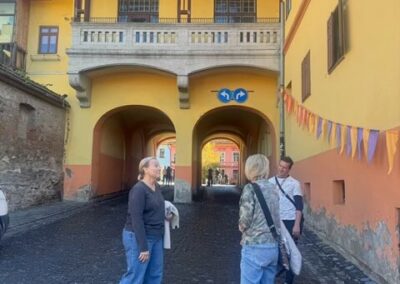
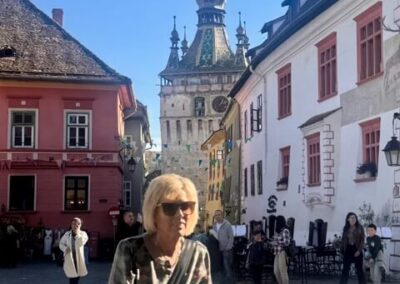
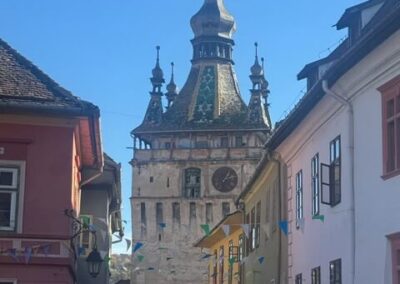
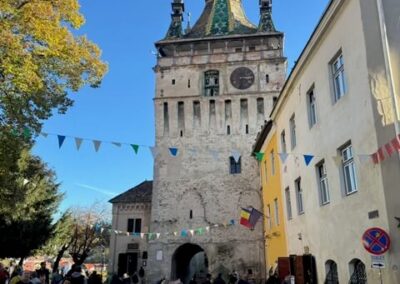
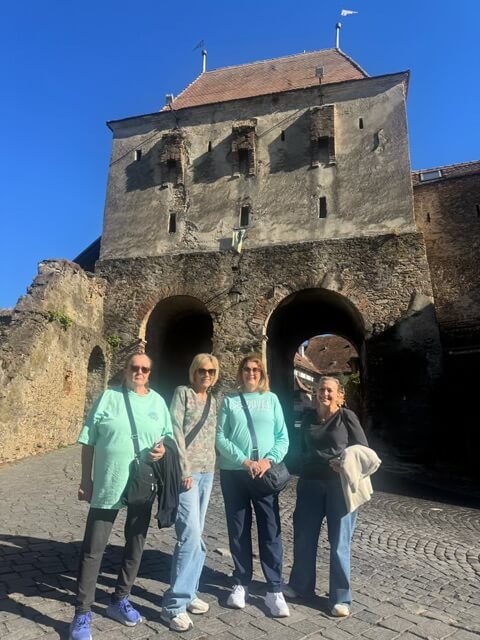
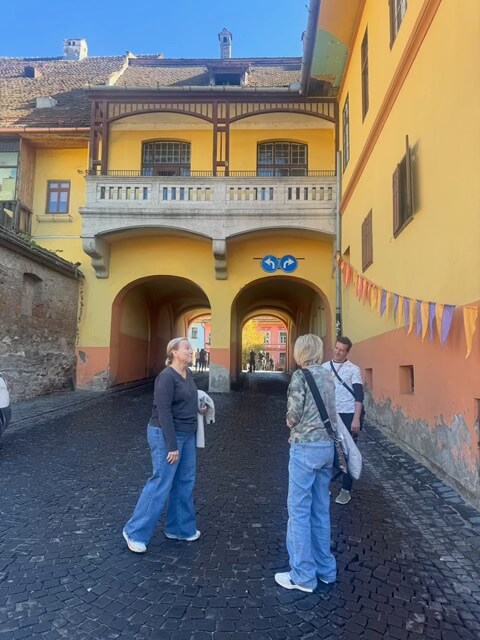
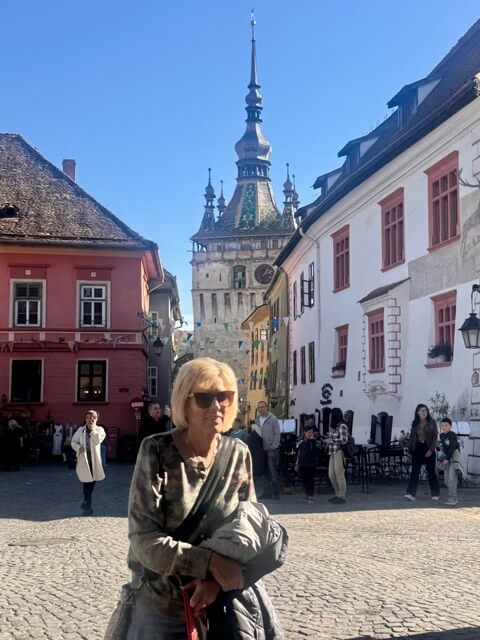
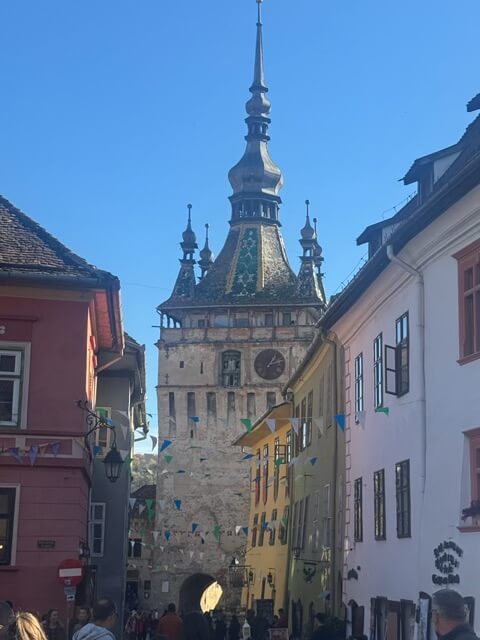
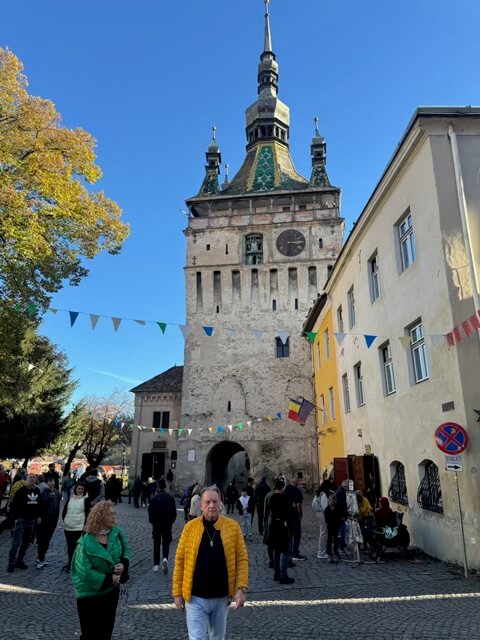
Next was Sighișoara, a town of approximately 40,000 people and one of the best-preserved inhabited medieval citadels in Europe.
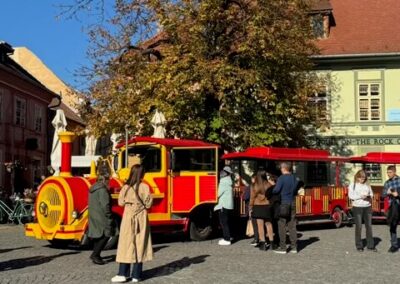
The historic center dates back to the 12th century, when Saxon settlers established a settlement here. It became a UNESCO World Heritage Site in 1999. Walking through the cobblestone streets, colorful buildings, towers, and ancient walls felt like stepping back in time. You half expect someone in medieval clothing to come around the corner carrying a chicken!
A Little Wine, Then a LOT of Dracula!
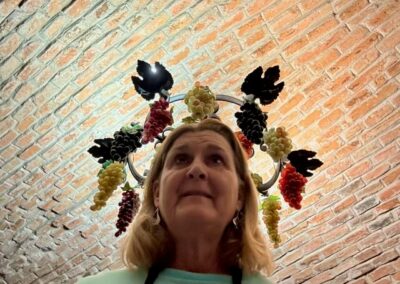
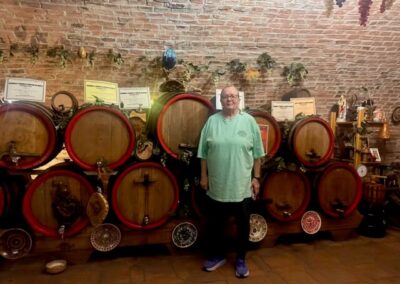
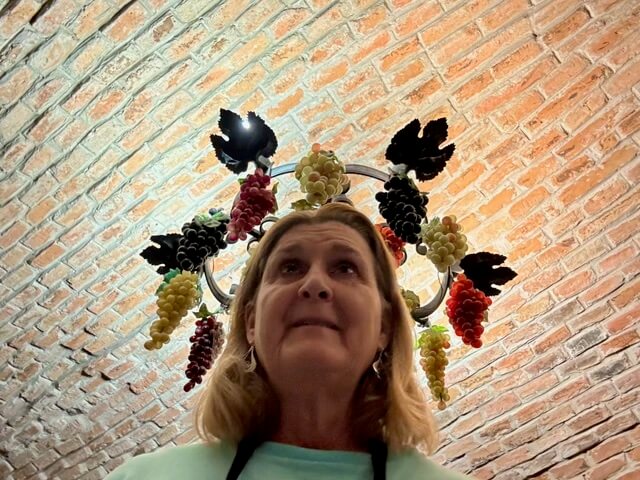
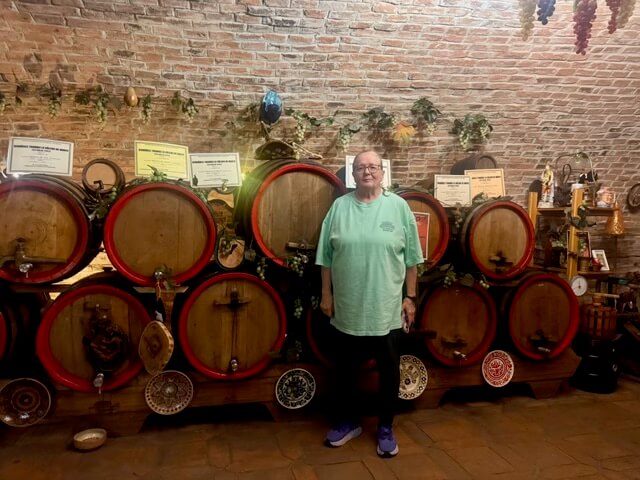
We stopped at the Palanca tasting house for a little wine tasting. After all those history lessons, a little wine seemed entirely appropriate!
Then came the main event: Dracula!
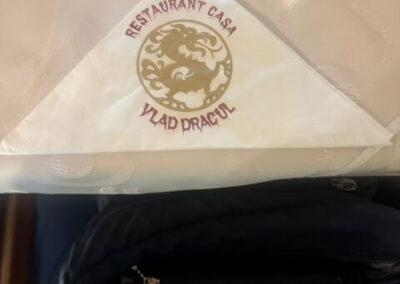
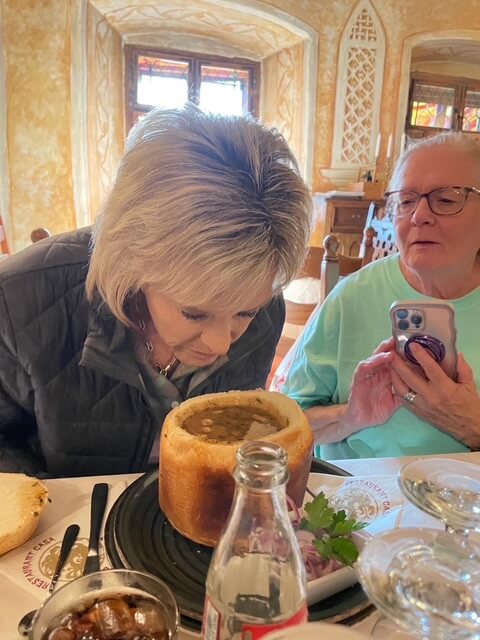
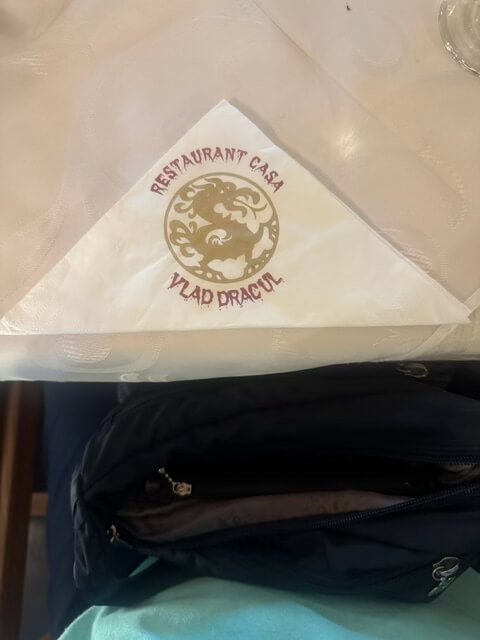
We visited the house where Vlad the Impaler was reportedly born in 1432. It is now a restaurant…and lunch was quite tasty. Our guide filled us with more facts about Dracula while we ate. His father was a prince associated with Transylvania, and Vlad eventually became one of the most feared rulers in Romanian history. Vlad was reportedly sentenced to death in 1476 (although dates and details vary), around the age of 45, and nobody knows with certainty where his remains are buried. So, after all these centuries, Dracula still hasn’t completely given up his secrets!
Another wonderful day in Romania!
Between the beautiful fall countryside, medieval fortresses, tiny villages, royal connections, blacksmiths, wine tasting, and Dracula, we managed to squeeze several centuries of history into one day. And the best part? I know you’re thinking the polinca…. But actually it was that we didnt have to encounter a vampire to enjoy it! Romania continues to surprise us at every turn. ❤
-
-
-
-
-

-

-

-

Emoji
-

-

-
-
-
-
-
-
-
-
-
-
-
-
-
-
-
-
-






Fascinating place – great history lesson