
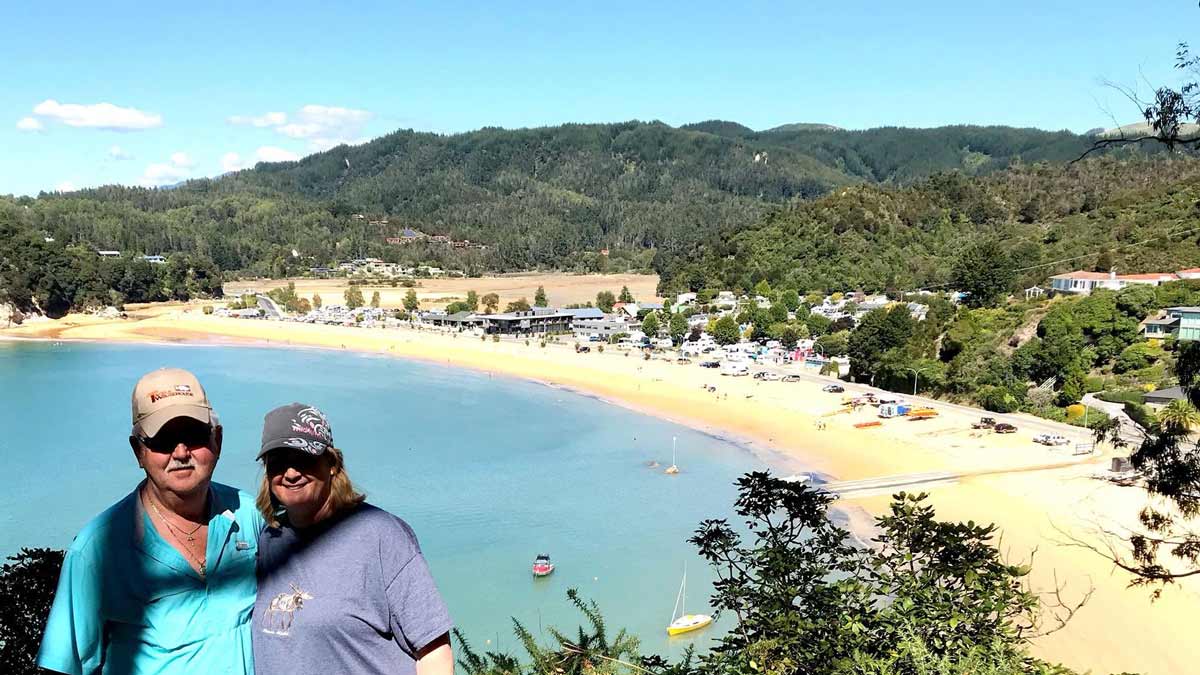
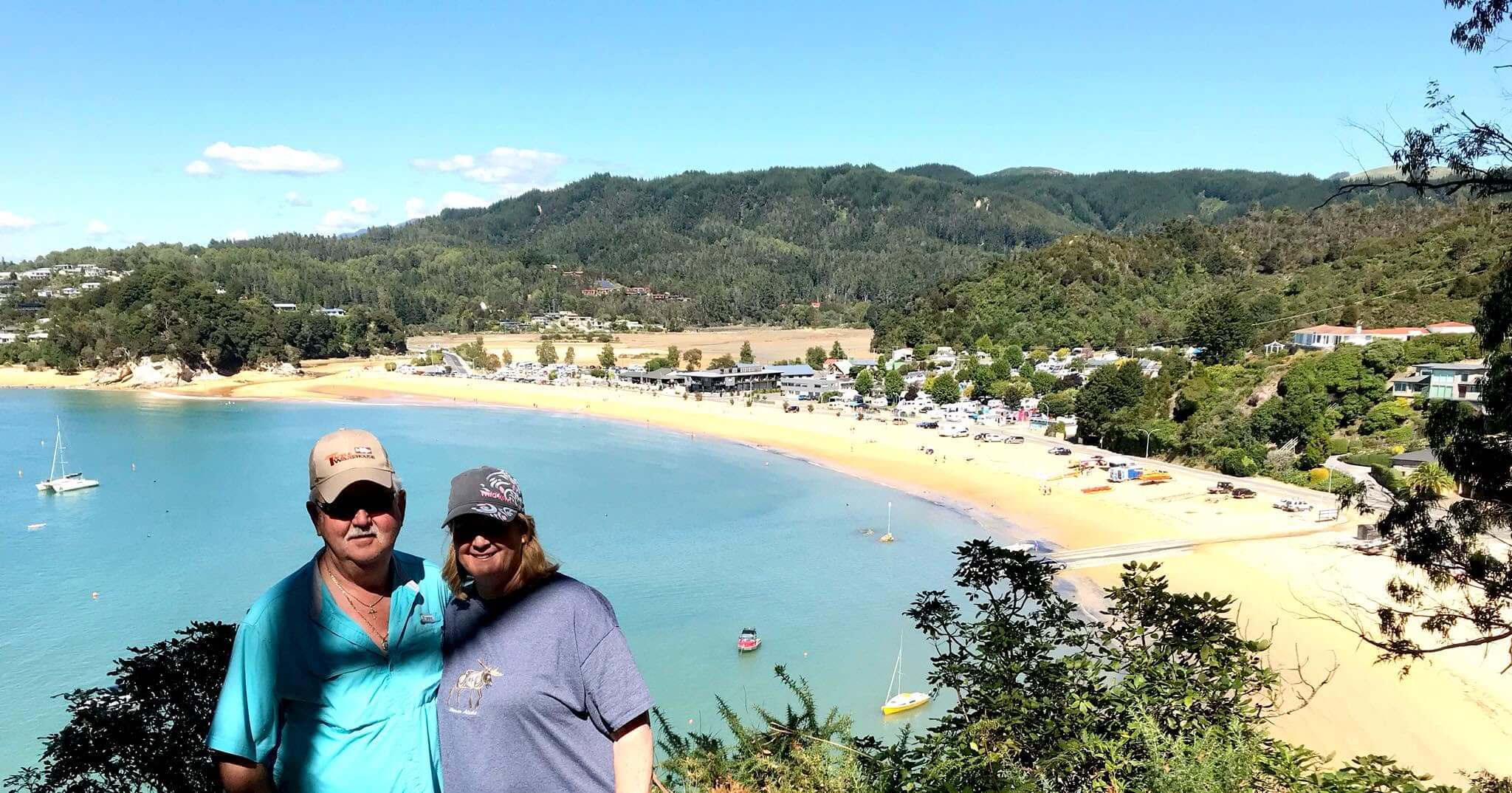
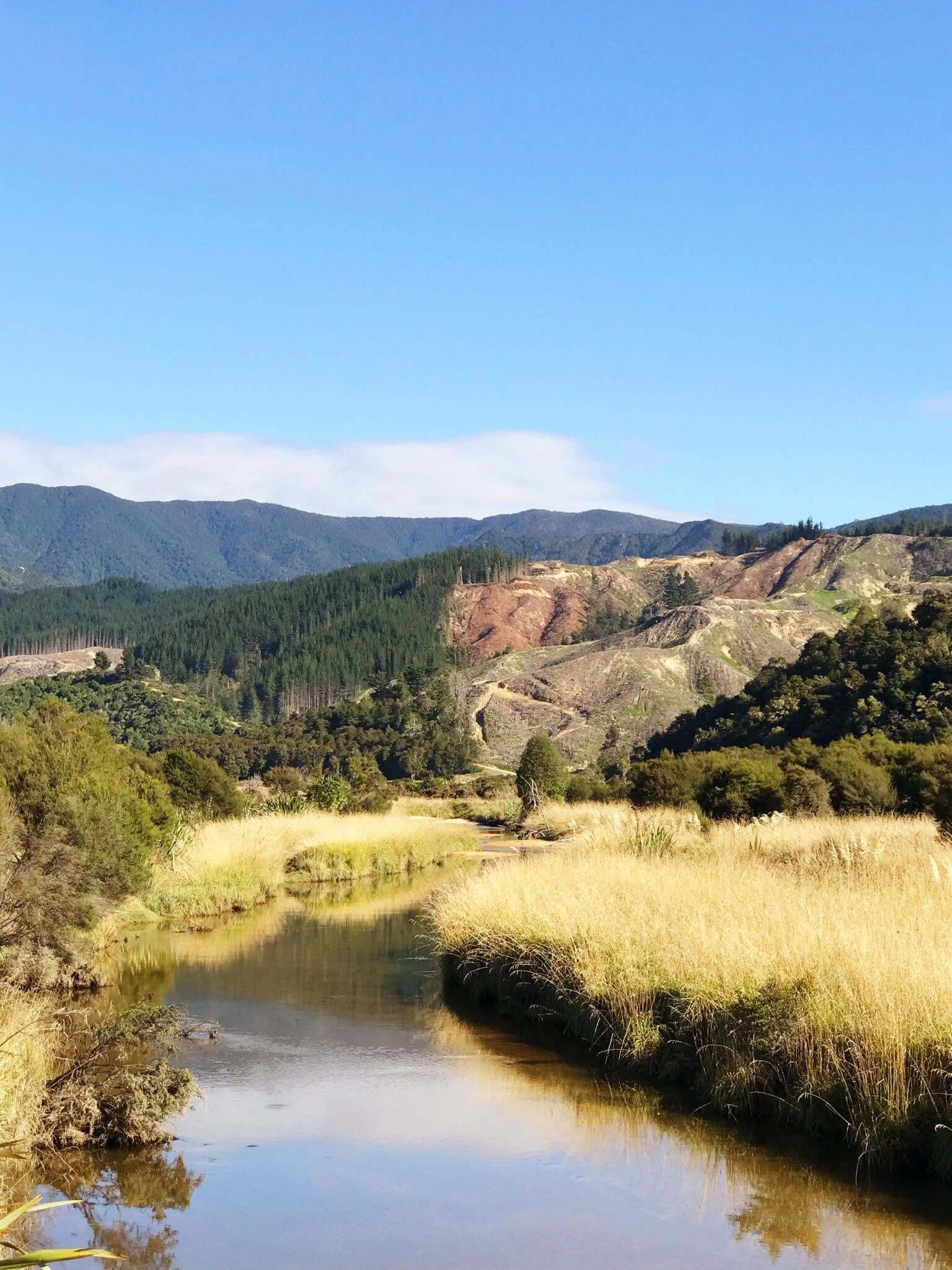
Spent the entire day exploring New Zealand’s smallest National Park named after Abel Tasman, the Dutchman who discovered this area of the South Island in 1642, and 300 years later they opened the park in his namesake. The best word to describe this park is diversified…walking up river to locate where the water flows out of the mountain into a crystal clear pond so rapidly it creates a rapid river to the sea; trekking thru the dense vegetation to enjoy the golden beaches; exploring caves that start from a small sinkhole in the ground; enjoying fresh fruit from the multitude of orchards; and, admiring outstanding views at every turn in the road.
With the assistance from our “new” New Zealand friend, Fay, we managed to do all of the above in one day … and survive!
Our journey began at the base of the mountains in the Wetlands. We located Whitebait in the river… a translucent large Minnow that locals use to make fish cakes. They are almost considered endangered, but we sighted several within a few minutes. Then Fay pointed out all the “dead” pine trees on the side of the mountain and explained her involvement in Project Yen Zone. The goal is to poison pine trees which will then allow for the native trees that are going extinct to have more room to grow in the park. New Zealand has one of the highest extinction rates in the world of both plants and animals. For example, Rabbits were introduced for hunting, but they ate the plants and vegetables…so stouts (weasels) were introduced to eat rabbits. But the stouts eat 63000 native birds every night.
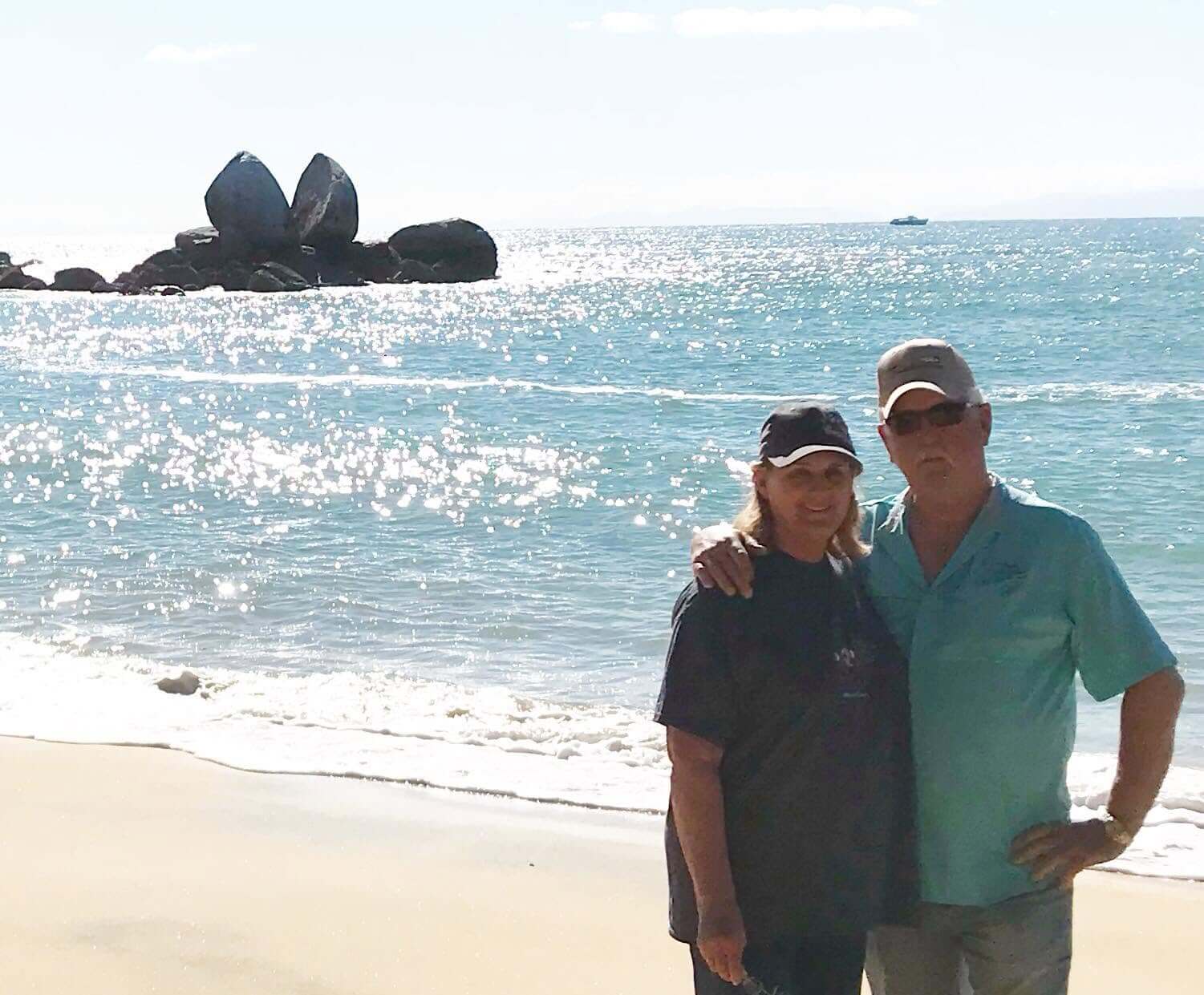
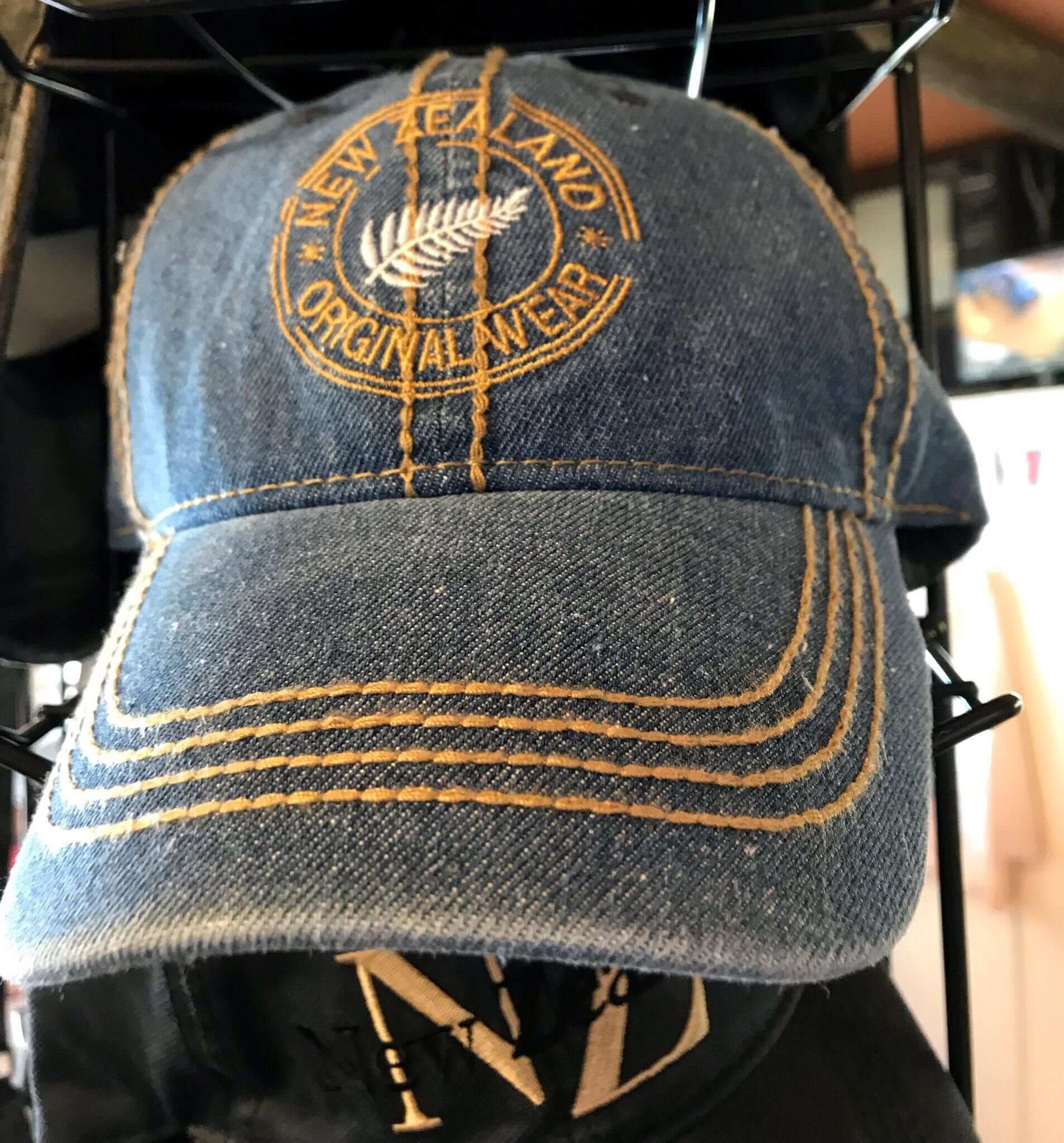
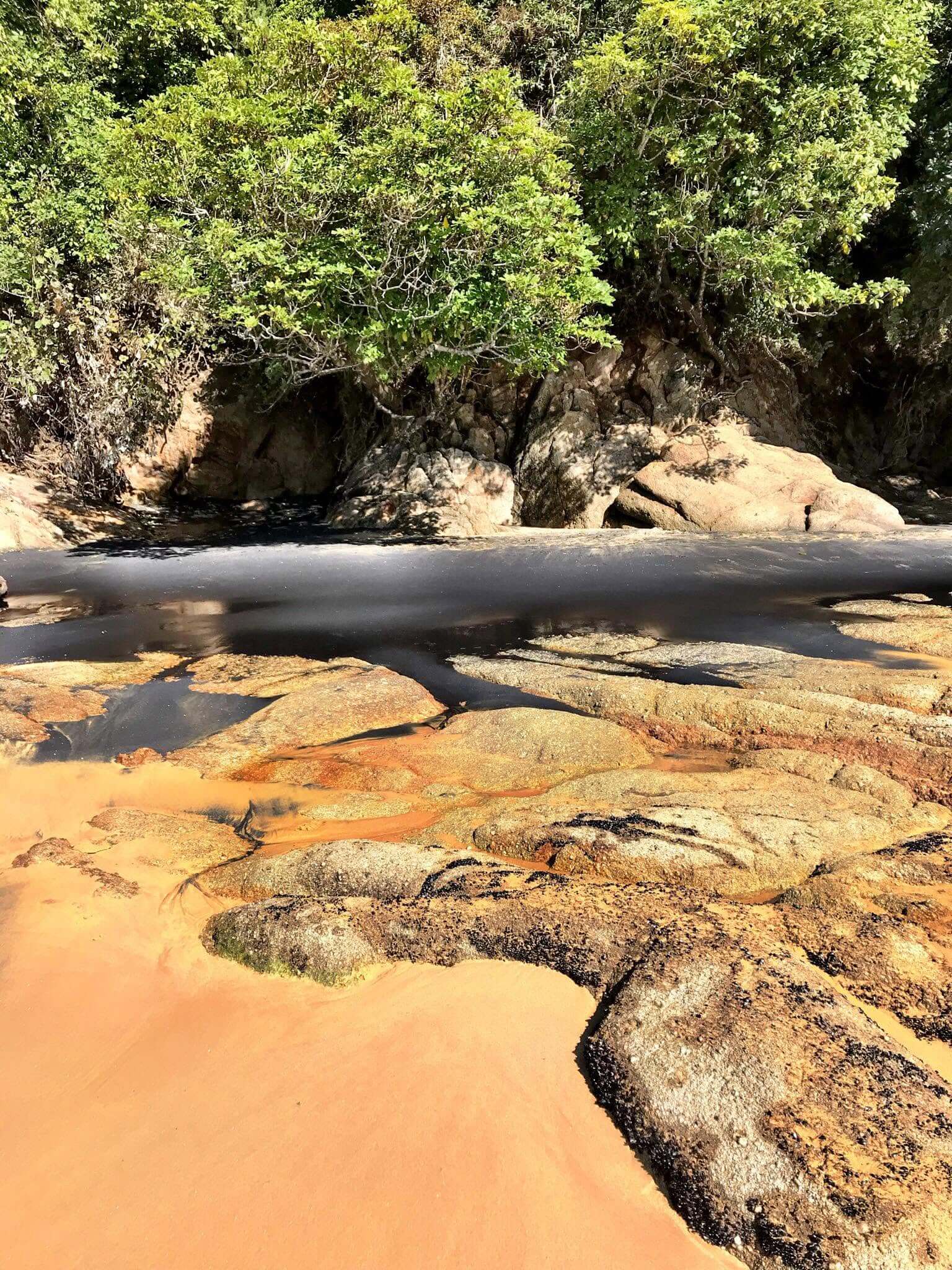
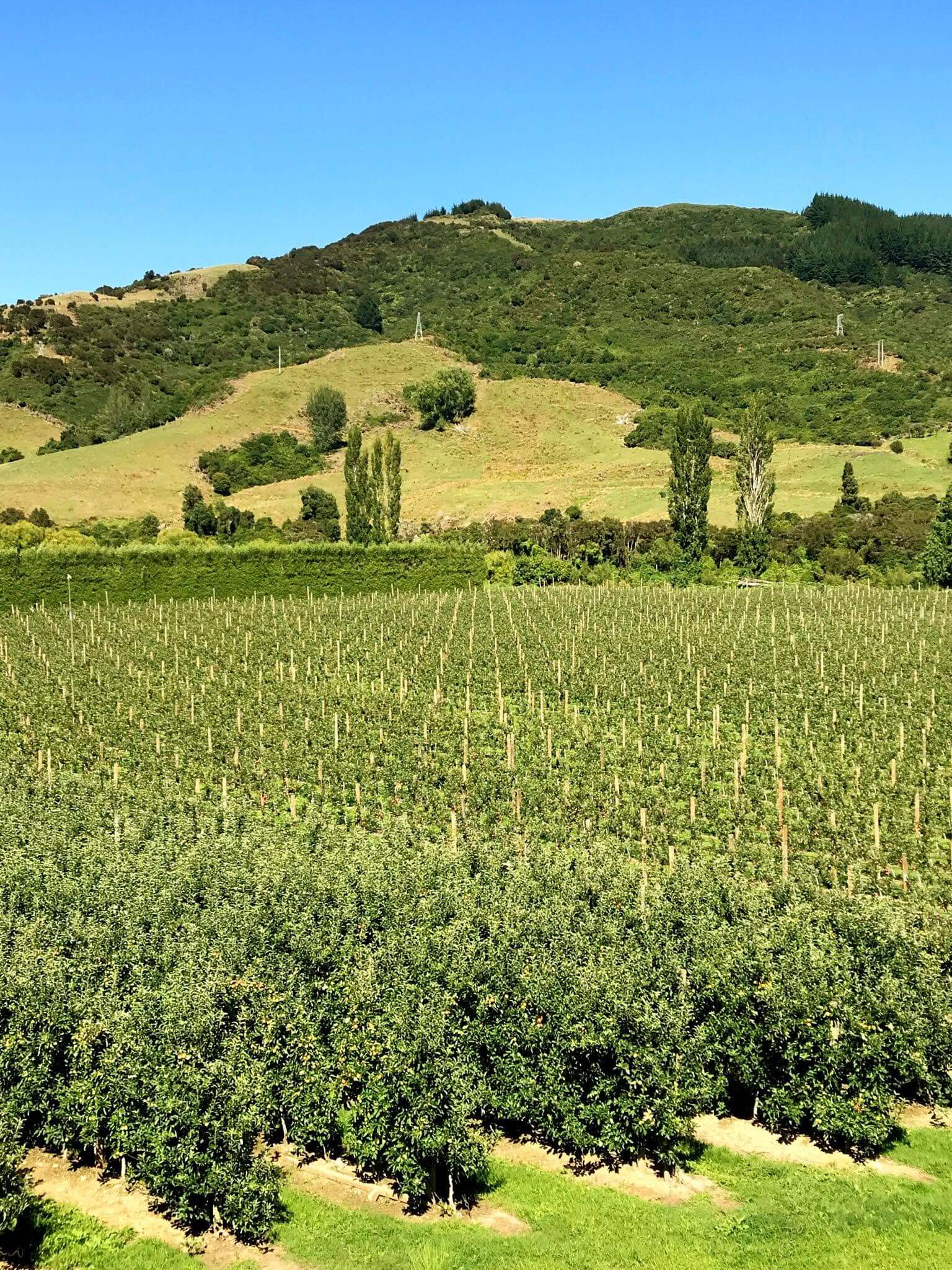
Next we drove up the mountain and hiked down thru the lush vegetation to the “golden” beach. Ferns grow as tall as 60 feet here with huge tree trunks. The Silver Fern leaf is their country symbol (like our bald eagle) and people wear it on their clothes, hats, uniforms, etc. Once we arrived on the beach, I was surprised to see so much black sand near the huge rocks that border the beach. The rocks are granite so the sand appears black at first, but as the quartz begins to shine thru, the sand turns more golden and starts to sparkle in the sunshine making these beaches a unique feature for NZ. Our climb back up the mountain was exhilarating to say the least and required several “rest stops” for TR and me, but Fay basically jogged up😜 and it’s on to a enormous orchard which grows the new Apple called Pose. This adventure proved to be not only educational, but very yummy. They first named this apple “Lulu” but when they took it to the world market a couple years back to begin exporting it, the Malaysians said “no no” that’s the name of a woman’s private parts…LOL… thus the name Pose was adopted. The good news is that the Pose Apple matures faster than other varieties and therefore, is harvested first. It is very sweet and juicy.
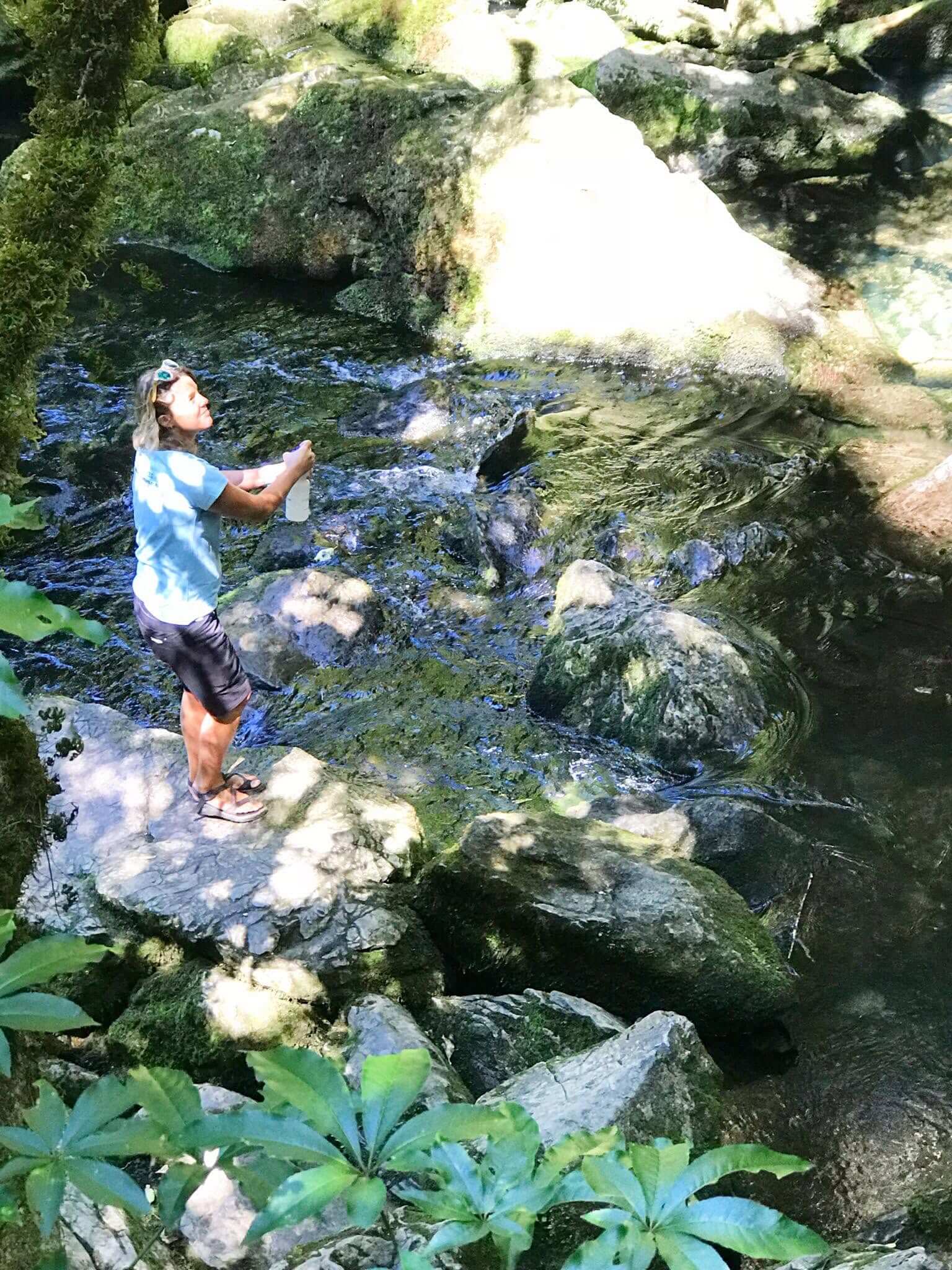
Next stop was to park at the base of the famous Riuwaka River and walk up to the point where it emerges from the mountain. The original New Zealand people were called Maroi (maw-ree). They are the dark brown skinned people you still find in NZ today. There was a large Maroi village built beside the river upstream in the 1600s. It is told that the women gave birth in the icy stream because the cold water numbed the pain. Fay and I walked to the top (we had lost Tommie to a nice rock chair below at this point) and I was amazed at how pure and clear the water was as it emerged from the mountain. Fay bravely climbed down, as I supervised, and filled her water bottle, which is a tradition for the locals.
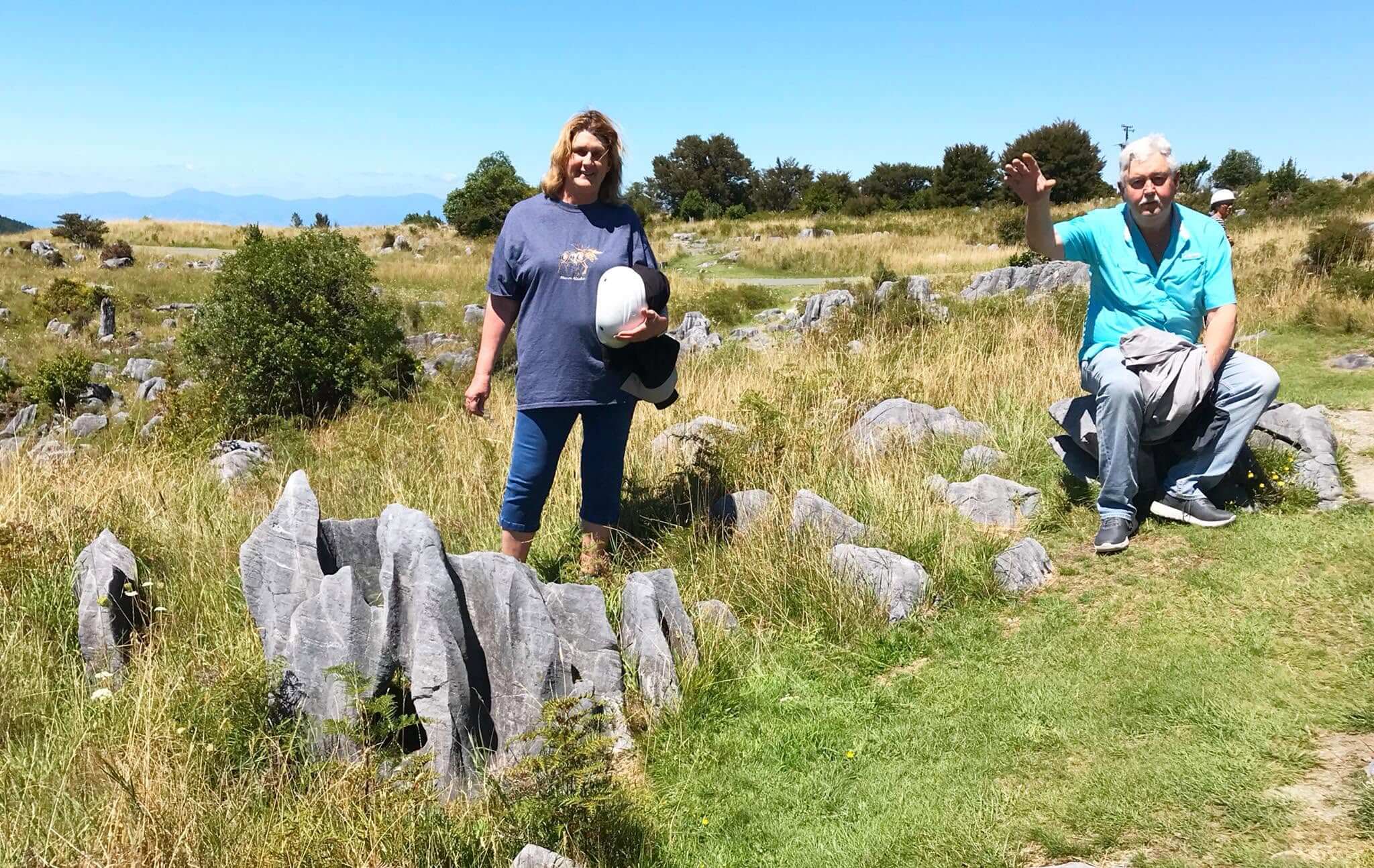
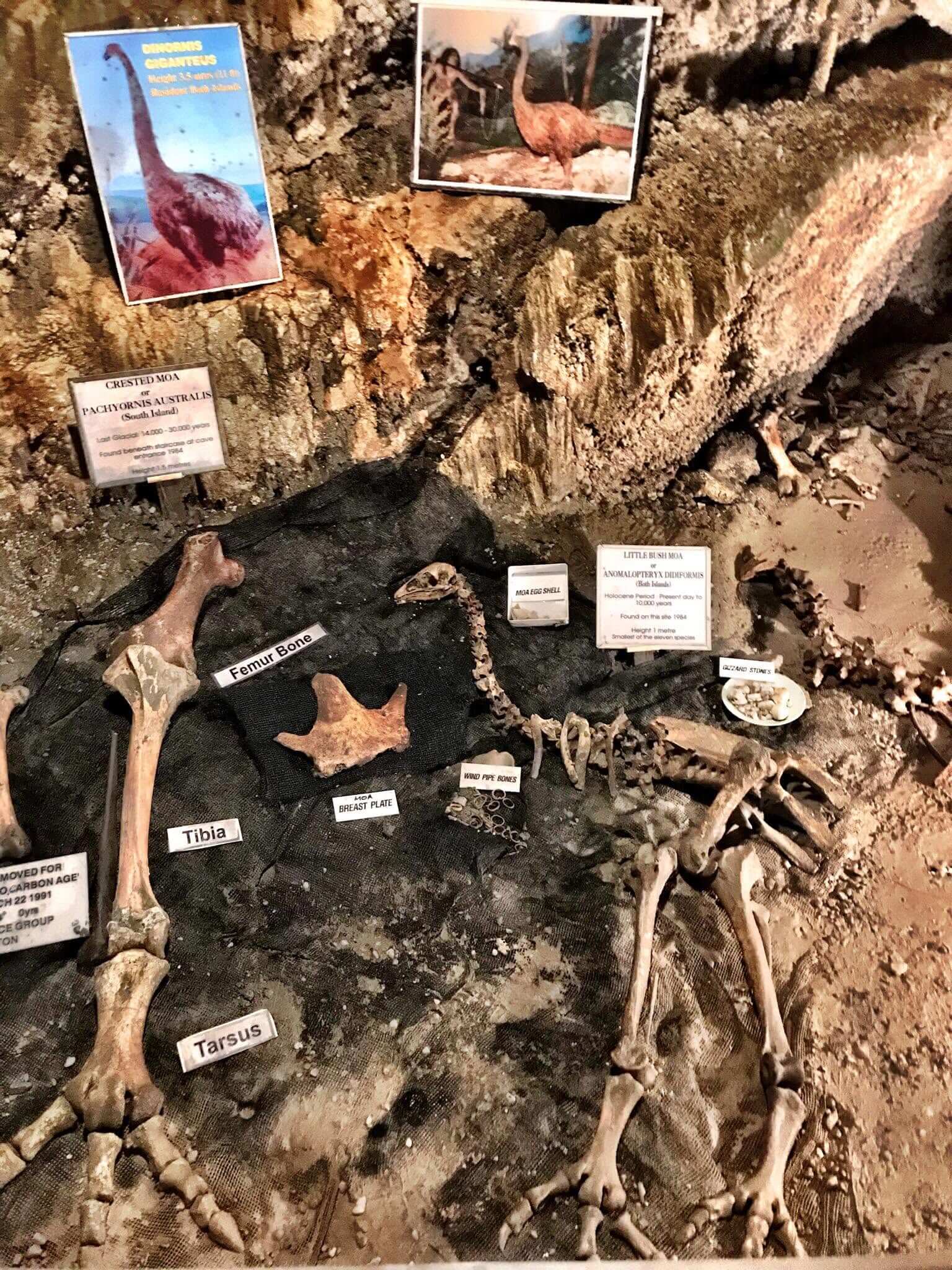
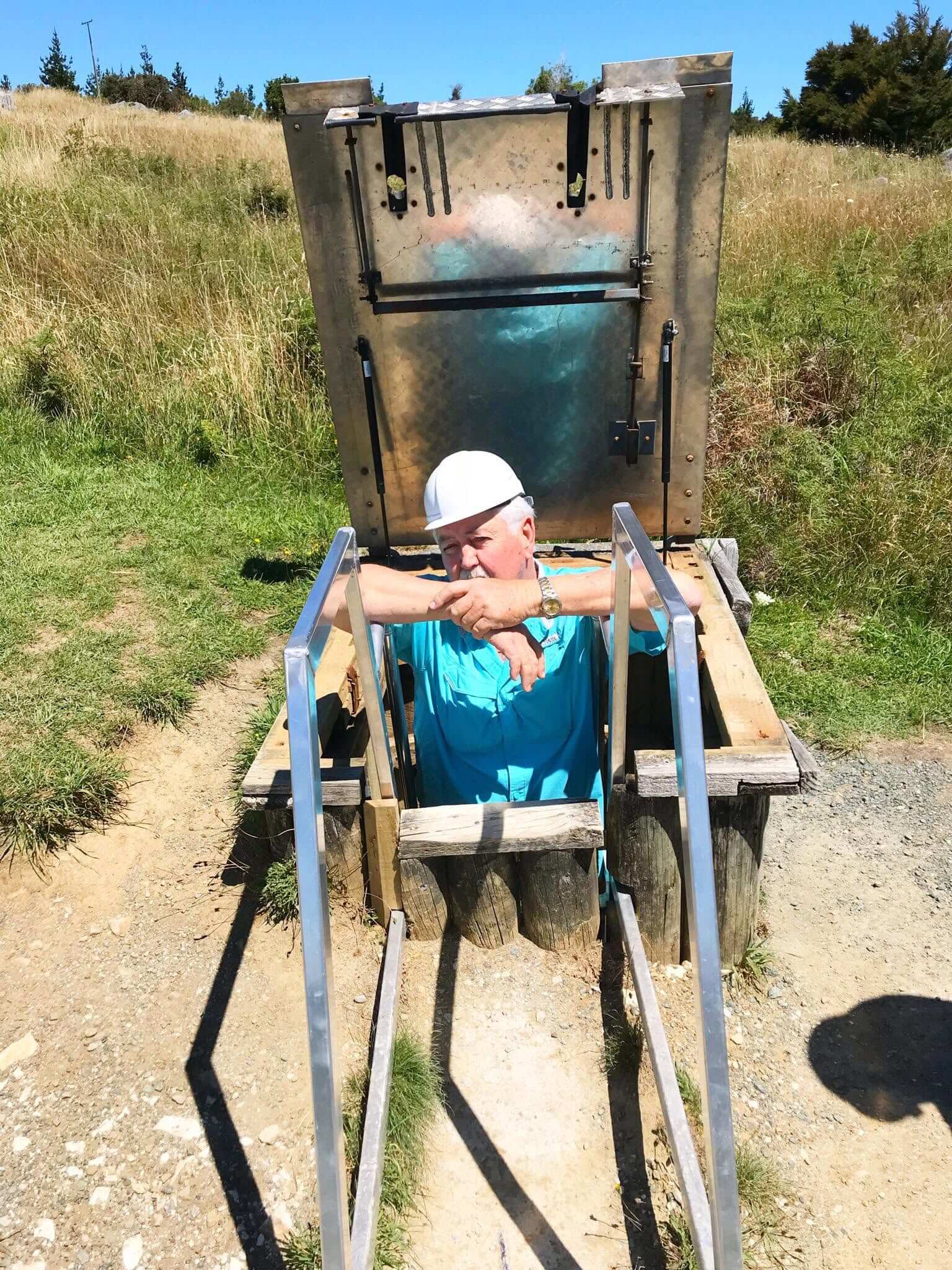
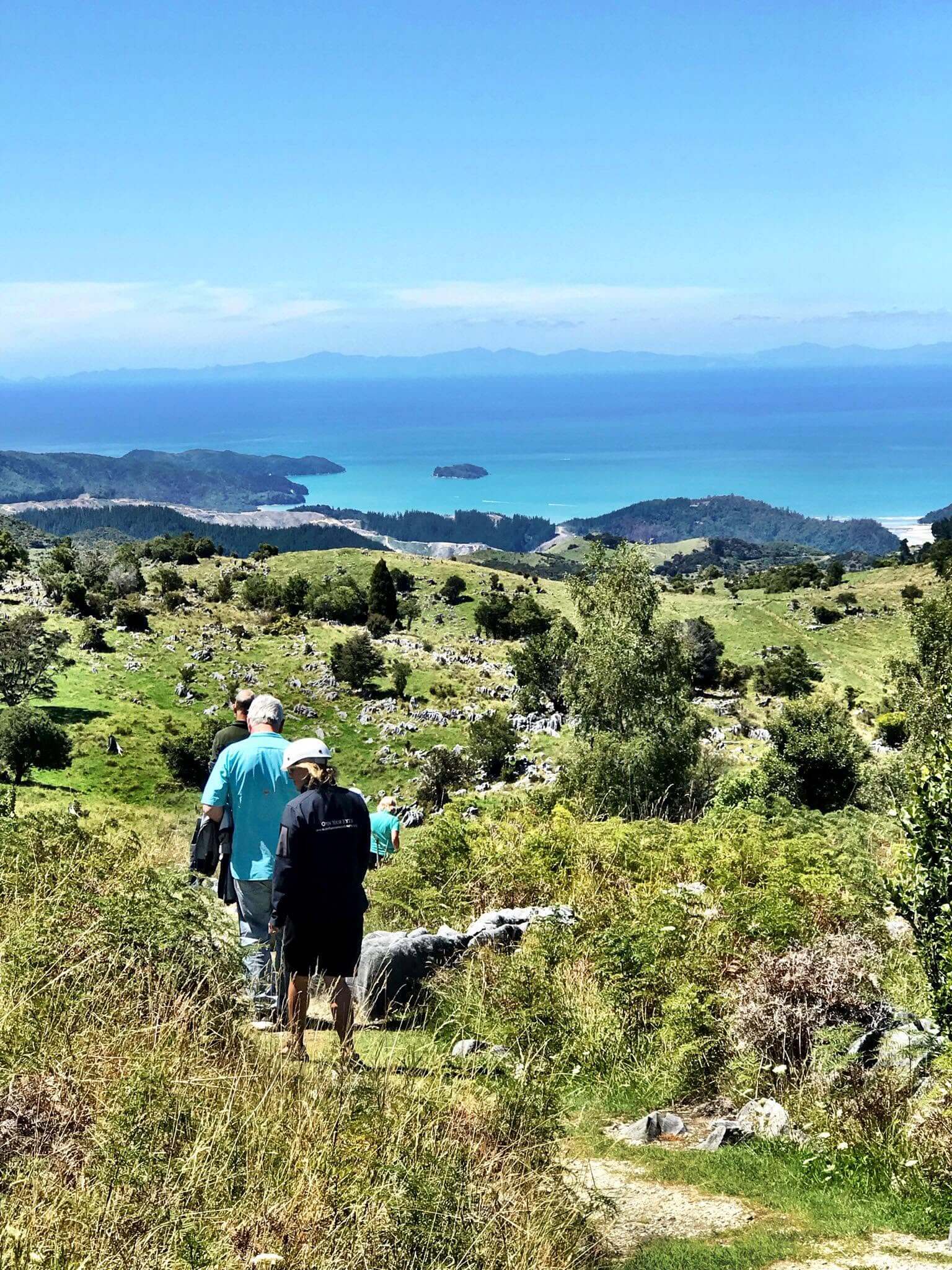
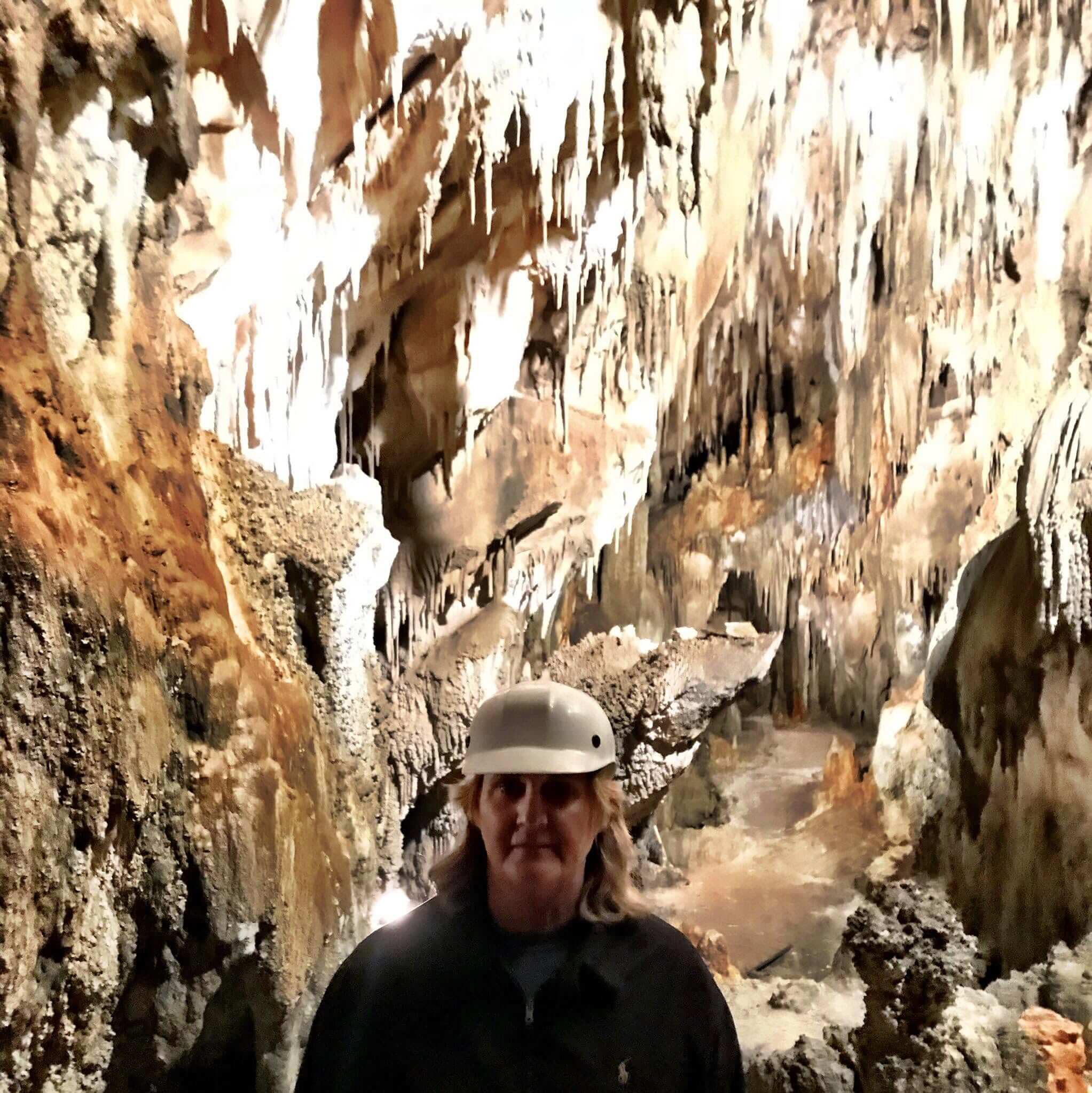
Next we headed up to Takaka Hill (Marble Mountain). They are not mining it anymore but the caves are world know in this area. They filmed Lord of the Ring in these marble fields… beautiful view of the ocean….and there’s so many sink holes, the ranchers lose about 4% of their sheep every year. I have visited a lot of caves throughout the world and the sad news is the NZ government is not regulating or protecting these valuable natural wonders. There are areas inside the caves that visitors can’t avoid touching because of the small crawl spaces and poor lighting in lots of areas. It’s sad to see such abus, but the caves were fabulous!

0 Comments